Moments Between Moments with Thige Njuguna
Photography
A photographer’s view of the Bush & Beyond collection
For the last year, Kenyan photographer Thige Njuguna has been visiting the Bush & Beyond properties, capturing some of the moments we love most along the way.Thige’s photography is rooted in Kenya, with a particular focus on wildlife, conservation, people and the landscapes that connect them. He has also spent the last year and a half embedded with the team at Reteti Elephant Sanctuary, documenting the elephants, their keepers and the wider story of the sanctuary and Namunyak.
Having now photographed almost the entire Bush & Beyond collection, he has got to know the properties from a rather different perspective. We caught up with him to hear some of his favourite moments, what has surprised him along the way and what he sees when he looks at the portfolio through his lens.
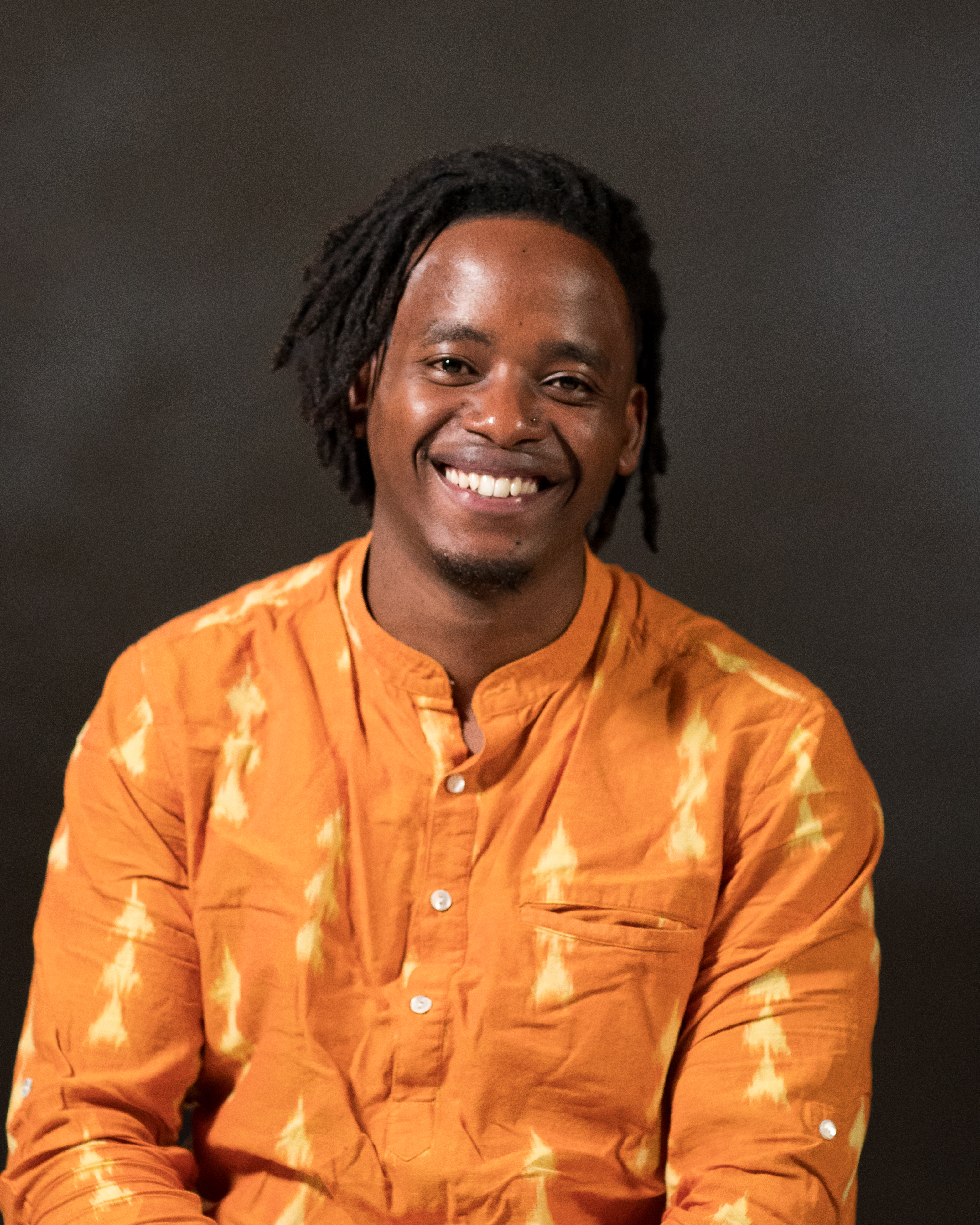
You’ve now photographed almost every property in the Bush & Beyond collection. Was there one place that surprised you most when you arrived and why?
I think Sarara Lodges surprised me the most. Northern Kenya is already a landscape I know and love, but there’s something special about how immersed the Sarara camps feel in their surroundings. It doesn’t feel like the lodges were placed onto the landscape; it feels like they belong there. There’s also something to be said about how they share the same landscape, yet each has a completely unique feeling and character.
Photographically, you have the Mathews Range, incredible light, wildlife moving through camp, Samburu culture and Reteti Elephant Sanctuary just up the road. I initially went there to take photographs, but after spending so much time there over the years, it has become somewhere I feel genuinely connected to.
Ironically, one of the most impactful things for me as a photographer has been learning to experience Samburu culture without photographing it. Spending time there has taught me to revel in the moment, to observe before reaching for the camera, and ultimately, I think, to see better.
As a photographer, what do you notice about a property that a guest might not immediately see?
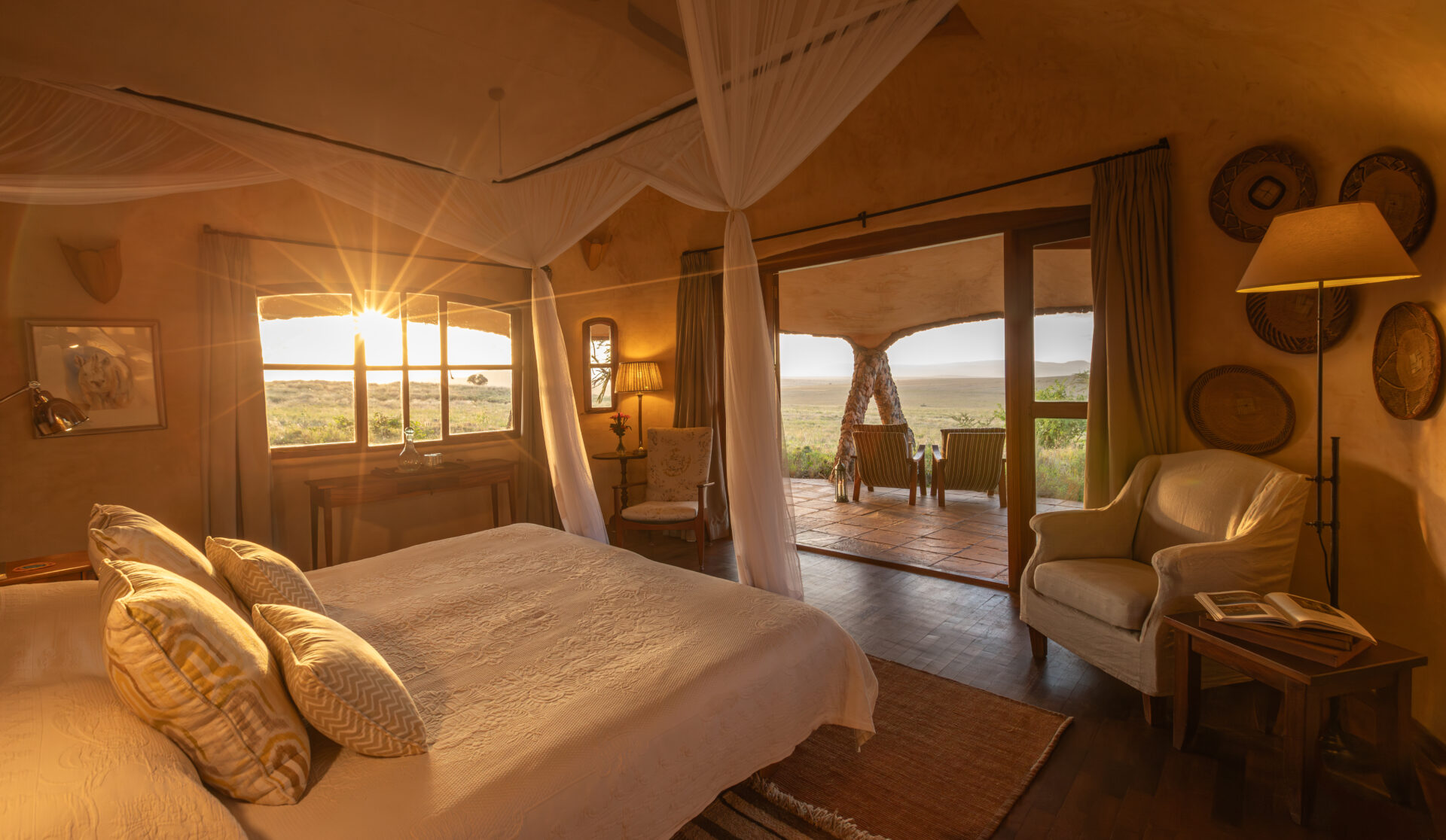
Light, first. I’m constantly noticing where the sun enters a room in the morning, how shadows move across a space, and how completely different the same view can feel at different times of day.
Ol Malo is a great example of this. The rooms sit high above the landscape, looking out across an incredible expanse, and the sunrise there is absolutely magical. You wake up to the room soaked in golden light as the landscape slowly comes alive below you. It’s a photographer’s dream, and the kind of light that has me thinking about photographs before I’ve even had my morning coffee.
You were Photographer in Residence at Reteti Elephant Sanctuary. How did spending that amount of time there change the way you saw - or photographed - Reteti and the surrounding landscape?
The biggest thing Reteti taught me was patience. When you spend a few days somewhere, you naturally look for the most visually impressive moments. When you spend months and years returning to the same place, you start looking for something deeper.
I stopped photographing the elephants simply as elephants and started photographing them as individuals. You learn their personalities, their relationships with their keepers and with each other, and you begin anticipating moments rather than chasing them.
It also changed how I see the wider landscape. The wildlife, people and environment aren’t separate stories; they’re deeply connected. My photography there has become much more about those relationships than simply making beautiful wildlife images.
It’s been a real privilege to be embedded within the Reteti team over the last year and a half and to witness firsthand the genuine care that goes into raising these orphaned elephants. More than anything, I’ve come to appreciate the incredible bonds between the keepers and the elephants' relationships built through countless everyday moments that you only begin to understand when you spend enough time there.
Photography is often about capturing more than a beautiful view. What do you look for when you’re trying to communicate the personality or feeling of a place?
I look for something that could only happen in that particular place.
Beautiful landscapes are obviously part of it, but I’m more interested in the details that give somewhere its identity: how people interact with it, the light, wildlife, architecture, weather, history and those little unscripted moments.
Lewa House is a great example of this. Although the landscapes, wildlife, property and hospitality are incredible, what stood out most for me was the area’s rich connection to palaeontology and human history. Being guided through a landscape where our early ancestors once lived was incredibly grounding. Suddenly, you’re not just looking at a beautiful landscape; you’re looking at a place that has held life and history for an almost unimaginable amount of time.
Being able to capture that through photography gives the landscape another layer of meaning and, for me, puts even greater emphasis on why places like this need to be protected and preserved.
Ultimately, I want someone looking at an image to imagine what it might feel like to be there, rather than simply thinking it looks beautiful.
Were there any small details - a member of staff, a morning ritual, a view, a sound, an interaction - that you found yourself wanting to capture again and again?
The moments between the moments.
I’ve found myself photographing staff laughing together, guides talking to guests, someone preparing a sundowner, the first coffee of the morning, or people simply stopping to take something in. They’re easy moments to overlook because they’re not necessarily the big hero shots, but together they often tell you far more about what staying somewhere actually feels like.
Game drives and meals with Salaash at Mara Siana particularly stand out for me. It was such a joy listening to him and Jackson share a myriad of stories about the Maasai Mara, its history, their own personal journeys, and their incredible depth of wildlife knowledge.
I have a deep appreciation for good storytelling. A photograph can capture a moment, but a great story gives that moment context and meaning. Those are the things that stay with you long after you’ve left a place.
6. If you had to choose one property to return to without a camera, purely as a guest, where would you go and what would you want to do?
Genuinely, every single one of them. They’re each such unique and incredible destinations that I’d love the opportunity to return, completely switch off, and simply immerse myself in the experience.
Although, knowing myself, I’d probably regret leaving the camera behind within about twenty minutes. But there’s something special about being able to live in and enjoy those moments without constantly thinking about how best to capture them. I think it would make me appreciate the places in an entirely different way.
After seeing the collection through your lens, what do you think connects these very different places?
A strong sense of family.
I’ve photographed properties across completely different parts of Kenya, and what I love is that they don’t feel like the same experience copied and pasted into different landscapes. The fact that the properties are family-owned and run gives each of them a much more intimate and personal feeling.
Each has its own character and rhythm, shaped by the family, the people and the landscape around it. From a photographer’s perspective, that means every property gives me something completely different to work with while still feeling distinctly Kenyan.
More than anything, there’s a sense of home. You don’t feel like you’re simply passing through a property; you feel like you’re being welcomed into someone’s world.
As a Kenyan photographer documenting places that showcase Kenya to guests from around the world, is there anything you particularly hope your photographs communicate about the country?
I want people to see that Kenya is much more layered than the classic safari image.
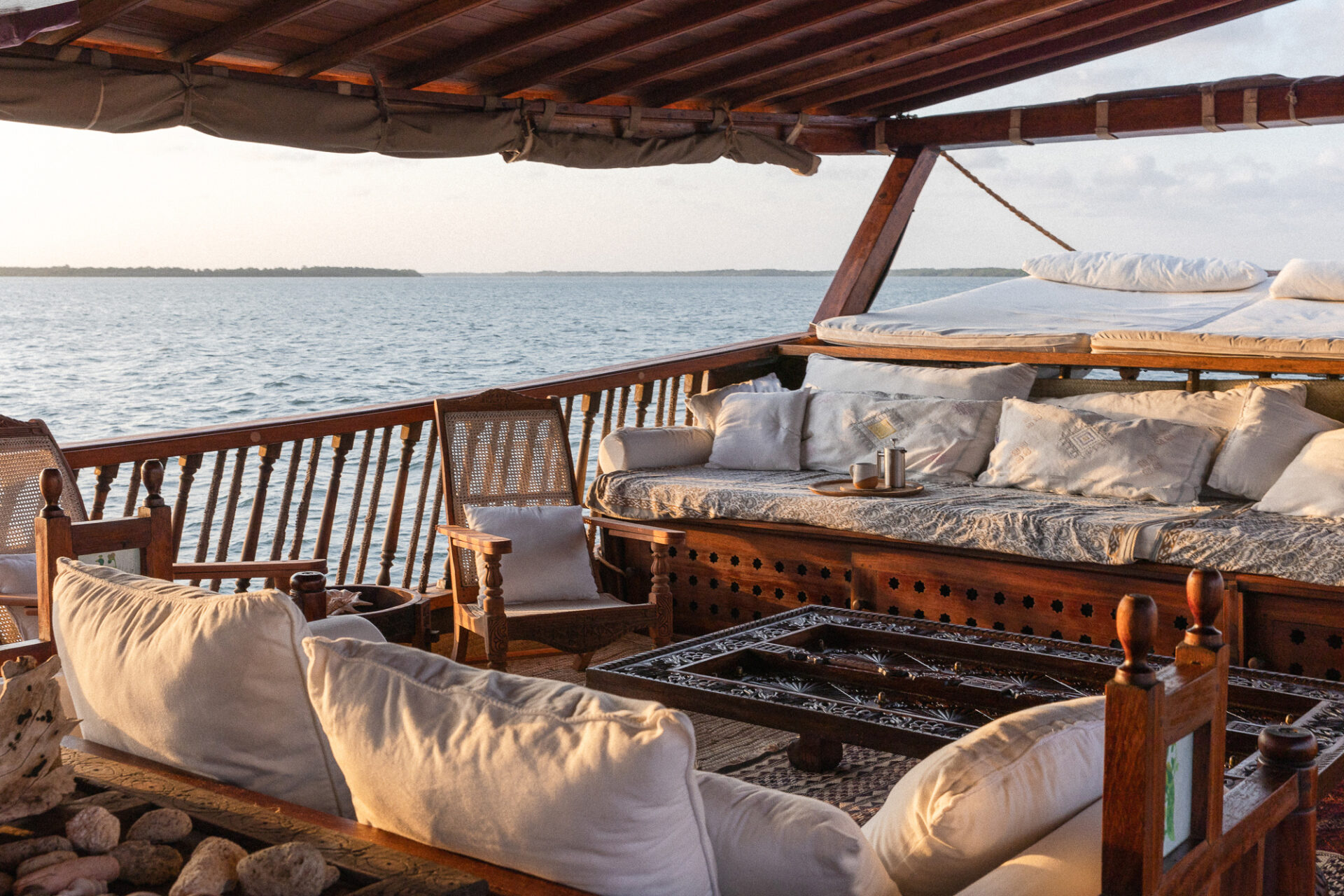
Take The Emakoko, for example. Within minutes, you can go from the energy and chaos of Nairobi to being completely immersed in nature. Or Tangulia in the Maasai Mara, where no matter how many times you return (and I’ve spent years in the Mara) nature always seems to have something new in store for you. Then there’s a dhow ride at Naisabah, reconnecting you with the ocean and completing that incredible journey from bush to coast.
Our wildlife and landscapes are extraordinary, but Kenya is also its people, cultures, conservation stories and all the smaller everyday moments happening around them. There is an incredible diversity of experiences here, often within the same journey.
As a Kenyan photographer, I think I have an opportunity to show the country from within rather than simply looking in at it. I want my photographs to make someone curious about the story behind the image, not just where it was taken