Safari Planning

Safari Planning

Overview

How We Plan Safaris

Every safari begins with a conversation. It begins with listening and is guided by experience.

We take time to understand who is travelling, what inspires them and how they like to explore. From there, we begin to shape a journey that feels balanced and unhurried- one that flows naturally between regions and reflects the season, the wildlife and unique pace.

From first enquiry to final farewell, we serve as our guests dedicated team on the ground - ensuring every detail is thoughtfully managed throughout their journey. Behind the scenes, we carefully coordinate each element, from camps and beach stays to flights, road transfers and special experiences, ensuring everything works together seamlessly. Our deep regional knowledge allows us to anticipate the small details that make a difference, while our close relationships ensure that every stay feels personal.

To help with your planning, we’ve outlined a selection of suggested safaris below to give a sense of the diversity and richness of our region. Following our conversation, we can adapt and tailor any of these to suit you and your travelling party. We will take into account the many variables including time of year, what you want to see and feel as well as everything you’d like from this incredible experience.

Itineraries

Lewa & Beyond

The Emakoko- Lewa House- Sarara Camp- Ol Malo Lodge

From the conservation heart of Lewa to the remote wilds of northern Kenya, this journey layers rhino sanctuary, Samburu culture and Laikipia adventure into one seamless safari. A natural progression for those who want to begin with the iconic - and travel far beyond it.

Explore Itinerary

Family

Nairobi- Mara- Lewa- Ol Malo- Namunyak

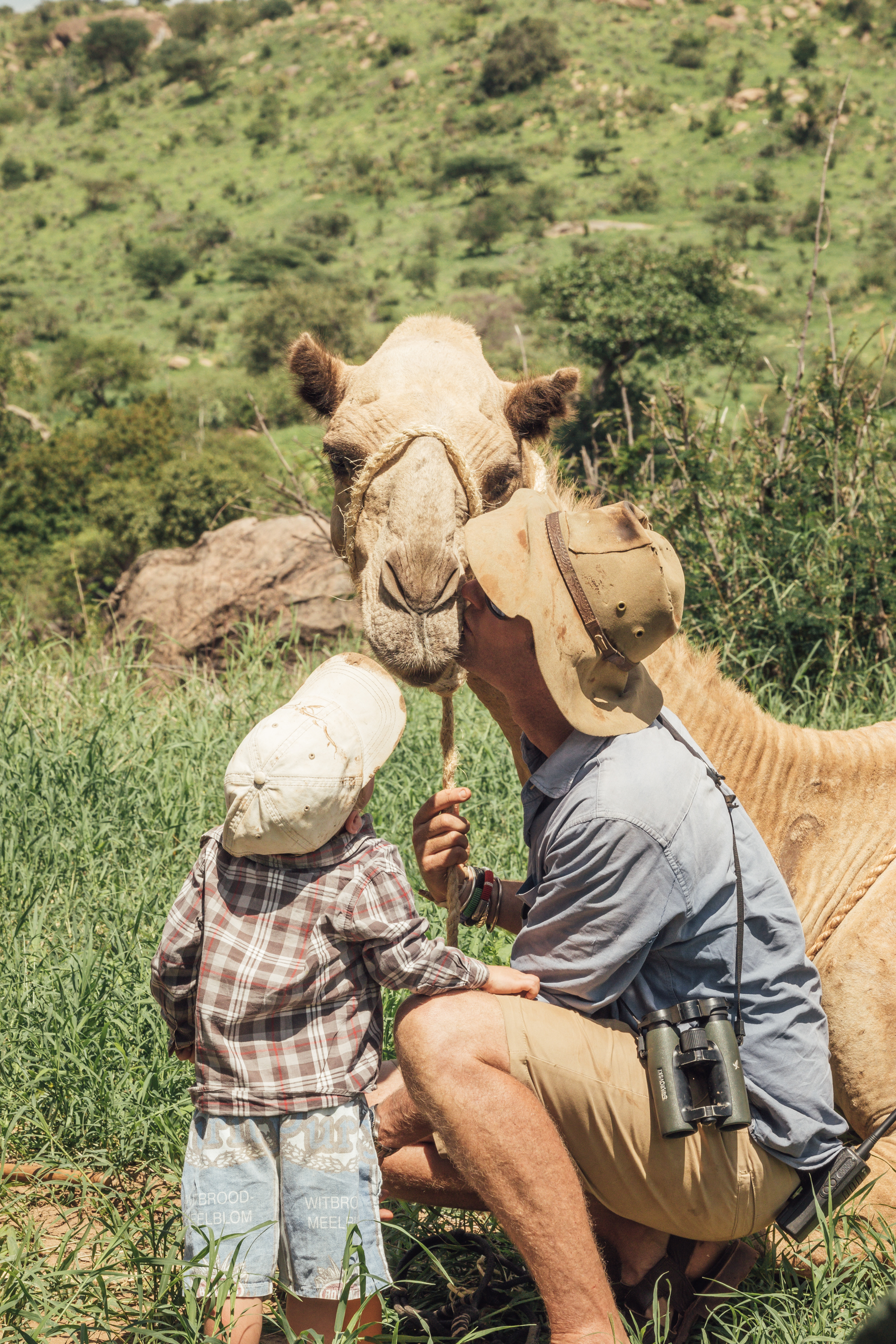
Across Bush & Beyond, our property owners have raised their own children in the wild places they call home. They understand how to balance adventure with comfort, freedom with reassurance, and how to create the kind of shared experiences that become family stories for generations.

This journey brings together the forested sanctuary of The Emakoko, the wildlife-rich plains of Mara Siana, the conservation heartland of Lewa House, the adventurous spirit of Ol Malo Lodge and the cultural depth of Sarara Camp, a beautifully paced safari designed for curious minds, open horizons and meaningful time together.

Explore Itinerary

Romance

Nairobi- Lewa- Ol Malo- Namunyak

This is a journey designed for two, intimate, unhurried and deeply connected to place. Begin tucked into the forested edge of Nairobi at The Emakoko, before moving north to the gentle elegance of Lewa House and the wild, untamed beauty of Ol Malo Lodge. Conclude high in the canopy at Sarara Treehouses, where mountain views and starlit nights set the tone for romance. It is a safari of privacy and perspective- where shared adventure, quiet moments and extraordinary landscapes come together effortlessly.

Explore Itinerary

Inspiration

Safaris For Generations

As a family business, Bush & Beyond was built on something deeply personal, a love for the wild spaces and communities of East Africa, and a responsibility to protect them for those who come after us.

Our approach is rooted in long-standing relationships, with family-owned camps, conservancies, guides and community partners who share our belief that conservation and commerce must work hand in hand. Whether we are crafting a bespoke journey for guests travelling with us directly, or acting as trusted ground handlers for travel advisors around the world, our ethos remains the same: thoughtful planning, deep local knowledge and genuine care.

“Safaris for Generations” reflects both who we are and why we do what we do. We design journeys that guests will remember for decades, and we work in ways that ensure the landscapes, wildlife and cultures that inspire those journeys endure long into the future.

Countries We Operate

Kenya
Tanzania
Uganda
Rwanda
Kenya

Kenya

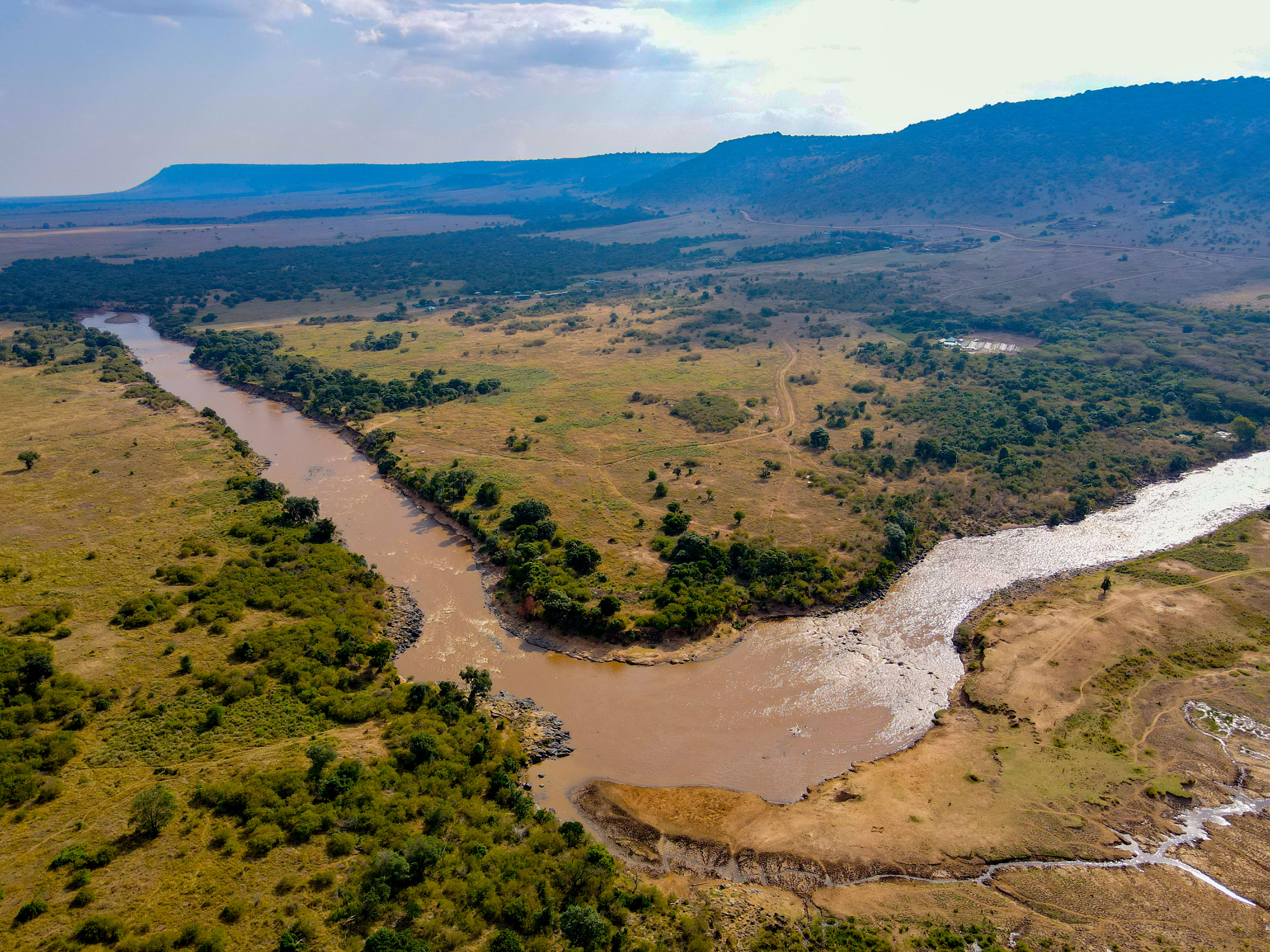
Kenya is safari heartland- where rolling plains, red-earth wilderness and warm Indian Ocean shores meet in remarkable diversity. From the wildlife-rich Maasai Mara to Laikipia, Samburu and Amboseli beneath Kilimanjaro, each region offers something distinct. The Rift Valley lakes shimmer with birdlife, while the Swahili Coast invites barefoot days by the sea. Intimate conservancies and expert guides make every journey personal and purposeful.

Explore Kenya

Tanzania

Tanzania

Tanzania is safari on a grand scale. The Serengeti hosts the sweeping drama of the Great Migration, while Ngorongoro and Tarangire deliver iconic wildlife in striking landscapes. Further south and west, Ruaha and Nyerere offer remote, crowd-free wilderness, and Mahale’s forested shores promise rare chimpanzee encounters. Offshore, Zanzibar blends Swahili heritage with coral reefs and laid-back Indian Ocean ease.

Explore Tanzania

Uganda

Uganda

Uganda is lush, varied and deeply immersive. Trek mountain gorillas in Bwindi’s misty forests, track chimpanzees in Kibale or cruise the Nile below the thunder of Murchison Falls. Queen Elizabeth National Park combines savannah wildlife with rich birdlife, while the Rwenzori Mountains and Lake Victoria add adventure and contrast. It is intimate, green and wonderfully unexpected.

Explore Uganda

Rwanda

Rwanda

Rwanda is refined, compact and conservation-led. Volcanoes National Park offers extraordinary gorilla trekking, while Nyungwe’s ancient rainforest shelters chimpanzees and rare primates. In Akagera, plains and lakes now host the Big Five in a remarkable conservation success story. Kigali’s creative energy and layered history add depth to this small but powerful destination.

Explore Rwanda

Before you Travel

Visa Requirements

Kenya Electronic Travel Authorisation (eTA)

All visitors to Kenya (except certain East African Community nationals) must obtain a Kenya Electronic Travel Authorisation (eTA) before travel. The eTA replaces the former visa-on-arrival system and must be approved prior to departure. Airlines may deny boarding without proof of approval.

The eTA is generally valid for single entry and permits stays of up to 90 days for tourism. Travellers are advised to apply 7–14 days before departure, although approvals are often issued within a few working days.

How to Apply

Applications are completed online via the official Kenyan Government eTA portal. Applicants must:

  • Create an account
  • Complete personal and passport details
  • Upload required supporting documents
  • Pay the processing fee online
  • Download the approved eTA (issued by email as a PDF)

Travellers should print a copy or keep a digital version accessible for arrival in Kenya.

Required Documents

Clear digital copies (PDF or JPEG) of:

  • Passport bio page (valid for at least 6 months from arrival, with one blank page)
  • Recent passport-style photograph (colour, white background, JPEG preferred)
  • Return or onward flight confirmation
  • Accommodation confirmation (hotel or safari booking)
  • Yellow Fever certificate (if applicable)

Files must be clear, upright and within the size limits specified on the portal.

Payment

The eTA fee (approximately USD 30–35, subject to change) is paid securely online by credit or internationally enabled debit card. A small transaction fee may apply.

Important Notes

  • Approval must be received before boarding.
  • Each traveller, including children, requires an individual eTA.
  • Processing times may vary during peak periods.
  • Final entry is at the discretion of Kenyan immigration authorities.


Travel and Medical Insurance

Comprehensive travel and medical insurance is a condition of booking and is essential for travel in East Africa. Your policy should include cover for cancellation or curtailment, emergency medical treatment, evacuation and repatriation, as well as loss or theft of personal belongings. Many safari destinations are remote, and private hospitals require confirmation of insurance before treatment is provided. We strongly recommend arranging appropriate cover at the time of booking and ensuring that your policy extends for the full duration of your journey.

Medical Advice

Malaria

Kenya is categorised as a malaria-risk area. Please consult your physician/health care provider for advice on the best available anti-malarial prophylactic. If you are visiting the coast and intend on diving while at the beach, please let your GP know as you may want to choose a different prophylactic to Larium. Malaria is avoidable if you are sensible and take basic precautions such as wearing long sleeved shirts and trousers at night, using mosquito spray, sleeping under a mosquito net or in a room/tent with mosquito proofing and using anti-malarial medication. If you become ill on your return from safari, while still on prophylactics or even once you have stopped taking them, ensure that your doctor does everything to establish that your illness is not malaria.

Also tell your doctor if you were bitten or scratched by an animal while travelling.

Yellow Fever

An International Certificate of Vaccination for Yellow Fever (ICVP or “yellow card”) may be required when travelling onward from Kenya to certain countries. The vaccine is valid for life but becomes effective 10 days after administration, so travellers are advised to receive it several weeks before departure.  The certificate must be officially validated with the Uniform Stamp of the authorised vaccination centre. Travellers without valid proof of vaccination may be denied entry, quarantined or required to be vaccinated on arrival, in accordance with International Health Regulations (IHR).

If medically unable to receive the vaccine, the ICVP must include a completed Medical Contraindications section, validated with the Uniform Stamp, and accompanied by a signed and dated exemption letter from a medical practitioner clearly stating the contraindication. Non-medical exemptions are not accepted.

As regulations may change at short notice, travellers should consult their nearest Kenyan Embassy or travel health advisor well in advance of departure.

Other Medical Advice

Please seek and obtain professional medical advice from your GP or nearest Travel Clinic regarding vaccination requirements for the countries and/or areas you are visiting. The best choice of vaccines for your trip depends on several factors, including your precise travel plans. Tetanus, Rabies, Polio, Typhoid and the Hepatitis vaccinations are recommended for Kenya but are not mandatory. Your physician may also recommend rabies, cholera and a host of others but these are not mandatory, and it is at your discretion if you decide to take them or not.

Prescription medications should always be carried in your hand luggage (not in checked baggage) in their original, labelled containers only. It is wise to bring with you any medicines which you may require since you will not have access to pharmacies in many of the areas which you may be visiting. Some basic suggestions are included in the packing list below. Medical services within the major towns are good, but outside of these, facilities are scarce, especially at camps and lodges. Most doctors’ surgeries expect cash payments. It is advisable to know your blood group type in case of an emergency.
When to Travel

Kenya

°C °F
Excellent
Good
Rain
Conditions
Avg day Temp
J
29
84
F
30
86
M
29
84
A
26
79
M
26
79
J
24
75
J
24
75
A
25
77
S
27
80
O
28
82
N
28
82
D
29
84

Dry Season

(January–February & June–October)
Traditionally considered the classic safari months, the dry seasons bring sunny days, cooler mornings and open landscapes that make wildlife easier to spot. From July to October, the plains are at their most dramatic as animals gather around permanent water sources, and conditions are ideal for photography, walking safaris and active adventures.

Wet Season

(March–May & November–December)
The green seasons transform Kenya into a lush and vibrant wilderness. Rains are often short and refreshing rather than constant, and with fewer travellers, this can be a wonderfully private time to explore. Birdlife flourishes, young animals are abundant and the landscapes are at their most photogenic — offering exceptional value and a softer, more intimate safari experience.

Migration

(Typically July–October in the Maasai Mara)
The Great Migration usually reaches the Maasai Mara during the dry season, when vast herds of wildebeest and zebra cross from Tanzania in search of fresh grazing. River crossings along the Mara River can be dramatic and unpredictable, creating one of Africa’s most iconic wildlife spectacles. Exact timing varies each year depending on rainfall patterns.

Kenyan Coast

Warm and tropical year-round, the Kenyan coast offers a beautiful complement to the bush. January to March is hot and sunny with calm seas, ideal for swimming and diving. July to October brings cooler sea breezes and lower humidity. Even during the greener months, showers are often brief, and sea temperatures remain comfortably swimmable throughout the year

Preparing for your Safari

Luggage and Packing Recommendation

Most safari flights in Kenya operate on light aircraft with limited luggage capacity, and baggage is therefore restricted to 15kg (33lbs) per person, including hand luggage. Only soft-sided duffel bags are permitted – hard cases, wheeled suitcases, rigid frames and structured luggage are not allowed. To ensure your bag fits across all aircraft types, we recommend packing to the smallest aircraft dimensions (approximately 76cm × 25cm / 30” × 9.5”). Slightly wider bags (up to 35cm / 14”) may fit on larger aircraft but are not guaranteed on smaller planes. Excess baggage is never assured and should be pre-arranged where possible. For guests combining beach and bush stays, luggage storage can be arranged in Nairobi, allowing for convenient repacking between destinations.

Download Our Packing List

Laundry and Toiletries

Most safari camps and lodges in Kenya provide daily laundry service as part of the accommodation rate, making it easy for guests to travel light and refresh clothing throughout their stay. However, this is not universal, and a small number of properties may charge an additional fee, so it is always advisable to confirm what is included when organising your safari. In many camps, for cultural and practical reasons, guests are asked to wash their own undergarments; washing powder or detergent is typically provided in the room for this purpose. Laundry is generally returned within 24 hours or less, weather permitting, as most properties rely on natural line drying.

Most safari camps and lodges provide a thoughtful selection of locally made, natural toiletries for guest use, typically including shampoo, conditioner, shower gel and moisturiser. These products are often sustainably sourced and inspired by indigenous botanicals, reflecting the property’s commitment to conservation and community. Guests are therefore welcome to pack lightly, though those with specific personal preferences may wish to bring their own essentials.

On Safari

Arriving at the Airport

On arrival into East Africa, whether in Kenya, Tanzania, Uganda or Rwanda, a Meet and Greet representative will be there to welcome you. You will be assisted through arrival formalities and guided seamlessly to meet your driver or onward transfer. Airports can occasionally feel busy, particularly when several international flights arrive at once, but procedures are generally straightforward and our team ensures a smooth and reassuring transition from aircraft to hotel or connecting flight.

From the moment you land, every detail has been carefully coordinated, allowing you to relax and ease into the rhythm of your journey.

What to do in the City

East Africa’s gateway cities, whether Nairobi, Arusha, Kigali or Entebbe, offer a wonderful introduction to the region before or after your time in the bush. From meaningful conservation visits and cultural museums to vibrant local markets, contemporary African design studios and excellent restaurants, there is much to explore if time allows.

Guests may enjoy visiting wildlife sanctuaries, historic sites, artisan centres or simply relaxing in one of the region’s leafy suburbs or lakeside settings. Each city has its own unique character and rhythm, and our consultants are always delighted to recommend tailored excursions, dining options and shopping experiences suited to your interests and schedule.

Whether you are seeking a gentle cultural introduction, a conservation-focused visit or a memorable final evening meal, we will ensure your time in East Africa’s cities is thoughtfully curated and seamlessly arranged.

Wildlife Etiquette

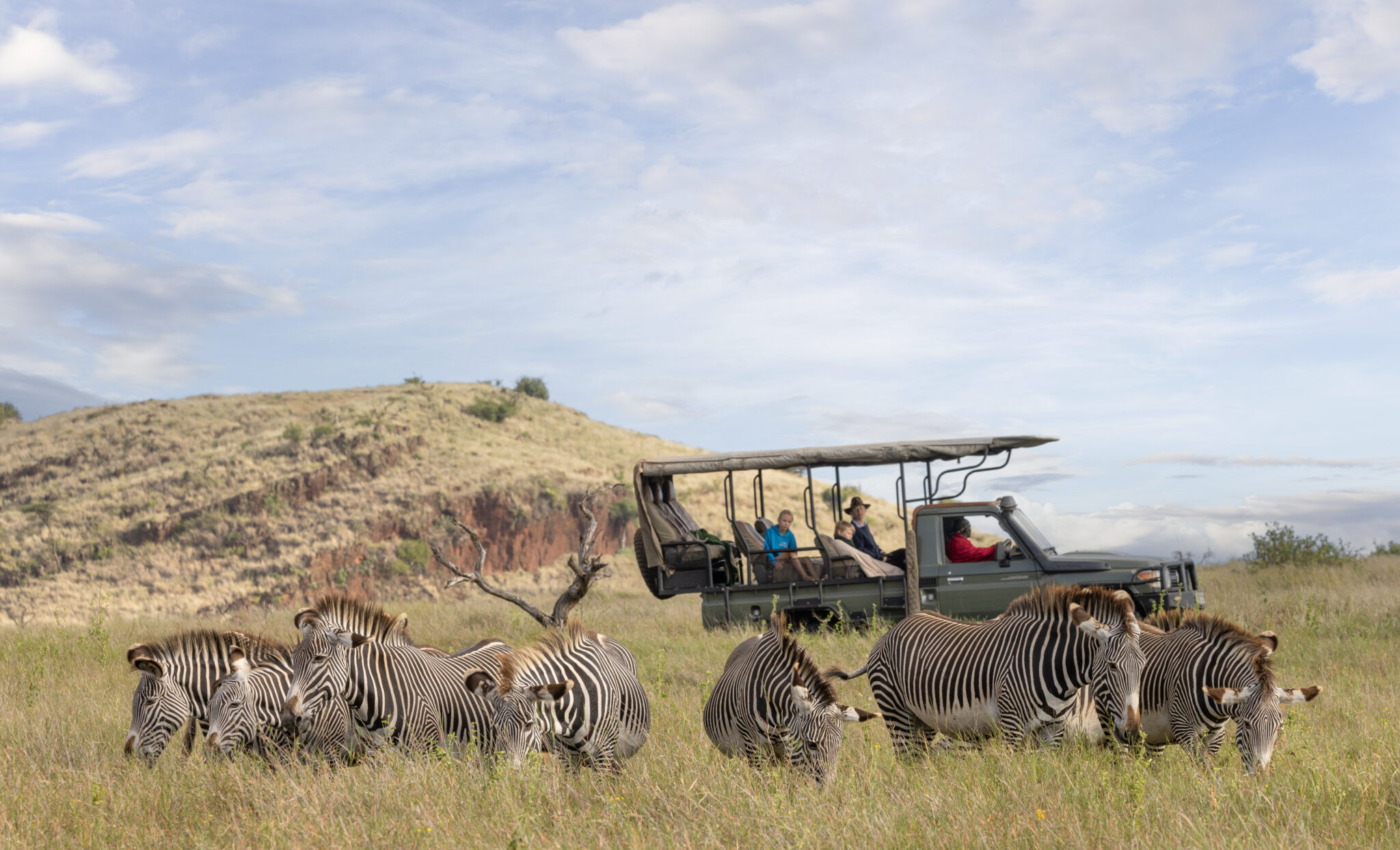
Wildlife in East Africa is entirely wild and should always be treated with respect and caution. Animals are not tame, even within conservancies or near camp. Guests are asked to follow the guidance of their safari guides at all times, particularly regarding vehicle positioning and proximity to animals. Feeding wildlife, attempting to approach animals on foot, or making loud noises to attract attention is strictly prohibited.

Maintaining a quiet presence on game drives allows for more natural wildlife encounters and protects both guests and animals. Small actions — such as keeping tents zipped, refraining from littering, and observing animals without disturbance – help preserve these fragile ecosystems for generations to come.

Cultural Etiquette

East Africa is known for its warmth and hospitality, and respectful engagement with local communities enhances any journey. When photographing people, it is important to ask permission first or seek guidance from your driver-guide. Many communities value privacy and may not feel comfortable being photographed without consent.

We kindly discourage the direct distribution of gifts, sweets or money to children, as this can unintentionally encourage dependency and disrupt schooling. Instead, guests who wish to contribute can do so through established community initiatives, which we are happy to advise on. Modest dress is appreciated in rural areas and when visiting cultural or religious sites, and a friendly greeting in Swahili, such as “Jambo”, is always warmly received.

Important Information

Single Use Plastic Ban

On August 28, 2017, Kenya effected a ban on the use, manufacture and importation of plastic bags with offenders facing hefty penalties for non-compliance. Travelling to Kenya with plastic bags could land you a fine of more than $500 or a jail term of up to a year. In addition to this, as of June the 1st, 2020 - all single use plastics have been banned in all of Kenya's protected areas. Please do not bring any single use plastic items on your safari. 

FAQ

Is it safe to travel to East Africa?

While media coverage can sometimes focus on isolated incidents, East Africa remains one of the world’s most established and rewarding safari destinations. As with travel anywhere globally, sensible precautions apply, particularly in urban areas. At Bush & Beyond, guest safety and wellbeing are a priority, and we work exclusively with trusted partners, experienced guides and carefully selected properties to ensure every journey is thoughtfully planned and professionally managed.

When exploring cities, guests are accompanied by a qualified driver-guide who remains with them throughout, offering both local knowledge and reassurance. On safari, our properties operate within well-managed conservancies and protected areas, where safety protocols are firmly in place. Secure storage is available for valuables either within guest rooms or with camp management, allowing you to relax and fully enjoy your time in the bush.

Are East African safaris child friendly?

In one word – yes!

Most camps and lodges are well equipped to cater to families travelling with young children, and some can even arrange dedicated childcare on request. Our experienced team of tour consultants will always recommend the most suitable properties and activities based on the ages of the children in your party.

Please note that certain safari experiences, such as guided walks, hot air balloon safaris, and gorilla or golden monkey trekking, may have minimum age requirements. We will advise you of any restrictions in advance. And rest assured, if some activities are not suitable, there are plenty of alternative experiences to keep younger guests engaged, inspired and thoroughly entertained.

What are the luggage and weight restrictions on light aircraft?

Most internal safari flights operate on light aircraft with limited capacity, so baggage is restricted to 15kg (33lbs) per person, including hand luggage. Only soft-sided duffel bags are permitted – hard or wheeled suitcases cannot be accommodated.

Aircraft have strict payload limits for safety and balance. Passengers may be asked to provide their body weight in advance, and in some cases an additional comfort seat may be required on scheduled flights. For private charters, aircraft type and cost are determined by total passenger and luggage weight. Our team will advise if any additional arrangements are needed.

What clothing should I pack for a safari in East Africa?

The key to safari dressing is layering. Early mornings and evenings on game drive can be cool, so we recommend a fleece or lightweight windbreaker over a long-sleeved cotton shirt. As the day warms up, T-shirts or short-sleeved cotton shirts are comfortable for mid-day activities. Hats are essential for sun protection, and cotton trousers or shorts paired with trainers or comfortable walking shoes work well. If you plan to enjoy guided walks, lightweight hiking boots are advisable, while sandals are suitable around camp or in lighter terrain. Evenings are casual and can be cool – jeans with a fleece or lightweight sweater are ideal. As conditions can be dusty, neutral colours such as khaki are always a good choice.  Have a look above for our recommended packing list.

What is the weather like?

Kenya and East Africa enjoy a generally warm, pleasant climate year-round, with temperatures varying slightly by season and altitude. The dry seasons (January–February and June–October) bring sunny days, cooler mornings and evenings – particularly in higher-altitude safari regions where early game drives can feel crisp. The green seasons (March–May and November–December) see refreshing rains that transform the landscape into a lush, vibrant wilderness; showers are often short rather than constant. Along the coast, the climate is tropical and warm throughout the year, with hotter months from January to March and cooler sea breezes from July to October.

What is the food like on safari, and is the water safe?

Guests are often delighted by the quality and variety of food on safari. Menus feature fresh, locally grown produce and range from generous breakfasts and bush lunches to seafood on the coast and hearty evening meals in camp. Kenyan coffee and tea are excellent, and most camps offer a selection of wines, spirits and local beers.

Safe, filtered drinking water is provided throughout your stay, and purified water is used for ice and food preparation. We kindly ask that any dietary requirements or allergies are shared in advance so that each property can prepare accordingly.

How long should a holiday to Kenya be?

We recommend allowing at least 7–10 nights to experience Kenya at a relaxed and rewarding pace. Ideally, plan for a minimum of three nights per property, giving you time to settle in, explore the surrounding landscape and fully enjoy the range of activities on offer without feeling rushed.

For those with more time, a 10–14 night journey allows for a wonderful combination of contrasting regions – perhaps a private conservancy, the Maasai Mara and a few days on the coast. Safari is best experienced slowly, allowing wildlife encounters and the rhythm of the bush to unfold naturally.

Do I need travel insurance?

Yes — comprehensive travel and medical insurance (including emergency evacuation cover) is a condition of booking. Your policy should ideally cover cancellation, curtailment, medical expenses, evacuation, baggage loss and personal liability. Private hospitals in East Africa require proof of insurance before treatment, so we strongly recommend ensuring your cover is in place prior to departure.

What happens if I need emergency medical evacuation?

Bush & Beyond organises emergency evacutation membership for all our guests with Rescue.co, which covers emergency evacuation within Kenya, Tanzania, Zanzibar, Uganda and Rwanda to Nairobi. Please ensure your personal insurance covers onward evacuation and repatriation to your home country if required.

What happens if my international luggage is delayed?

If your luggage does not arrive, please complete a missing baggage report with the airline before leaving the airport and inform the Bush & Beyond representative at the airport or your driver. We will assist in tracking and forwarding your luggage to you on safari where possible. We recommend packing essential medication and one change of clothes in your hand luggage as a precaution.

What currency should I bring?

The local currency is the Kenyan Shilling (KSh), though US Dollars are widely accepted. ATMs are available in major towns, and most camps accept credit cards, although facilities can be limited in remote areas. We recommend carrying some small denomination US Dollar notes for gratuities and incidental expenses. Your Bush & Beyond consultant can assist you with tipping guidelines if you would like advice on this.

What type of plug adaptor do I need?

Kenya operates on 240 volts and uses the UK-style three-pin square plug. We recommend bringing a universal adaptor. Most camps are solar-powered with generator back-up, and charging facilities are available for cameras and small devices. Only some camps are able to provide and.or support the use of hairdryers so please check with your consultant.

Will I have Wi-Fi and mobile signal on safari?

Wi-Fi is available at many, though not all, safari camps. Mobile coverage exists in most areas but can be limited depending on location and terrain. Safari is a wonderful opportunity to disconnect – but connectivity is often available if needed.

Can I bring a drone on safari?

No. The use of drones and unmanned aerial vehicles is strictly regulated in Kenya. Operating one requires prior licensing from the Kenya Civil Aviation Authority, and drones are generally not permitted at safari camps or in protected areas.

Is photography restricted?

Photography is welcomed on safari, but guests should always ask permission before photographing people. Certain government buildings and military areas must not be photographed. Your guide will happily advise on appropriate etiquette.

Can I bring gifts for local communities?

We kindly ask guests not to distribute gifts directly to children, as this can encourage truancy and dependency. If you would like to contribute, we can suggest meaningful community initiatives or “Pack for a Purpose” items that directly support local projects.