Positive Impact

Overview
When we say "Safaris for Generations"- we mean it.
At Bush and Beyond, positive impact is central to who we are and how we work. As a collection of family-run businesses and properties rooted deeply in Kenya, we believe that responsible travel should actively contribute to the protection of wild landscapes, wildlife and the communities who call them home. Across our portfolio, we support a wide range of conservation, community and education initiatives, reflecting a shared commitment to safeguarding ecosystems, strengthening local livelihoods and ensuring that Africa’s natural and cultural heritage is protected for generations to come.

Our Projects
Ranch-to-Table at Ol Malo
A ranch-to-table approach integrates sustainable livestock management with wildlife conservation and responsible food sourcing. By reducing supply chains and supporting local production, this model reinforces environmental stewardship while strengthening local employment within surrounding communities.
South Island Trust
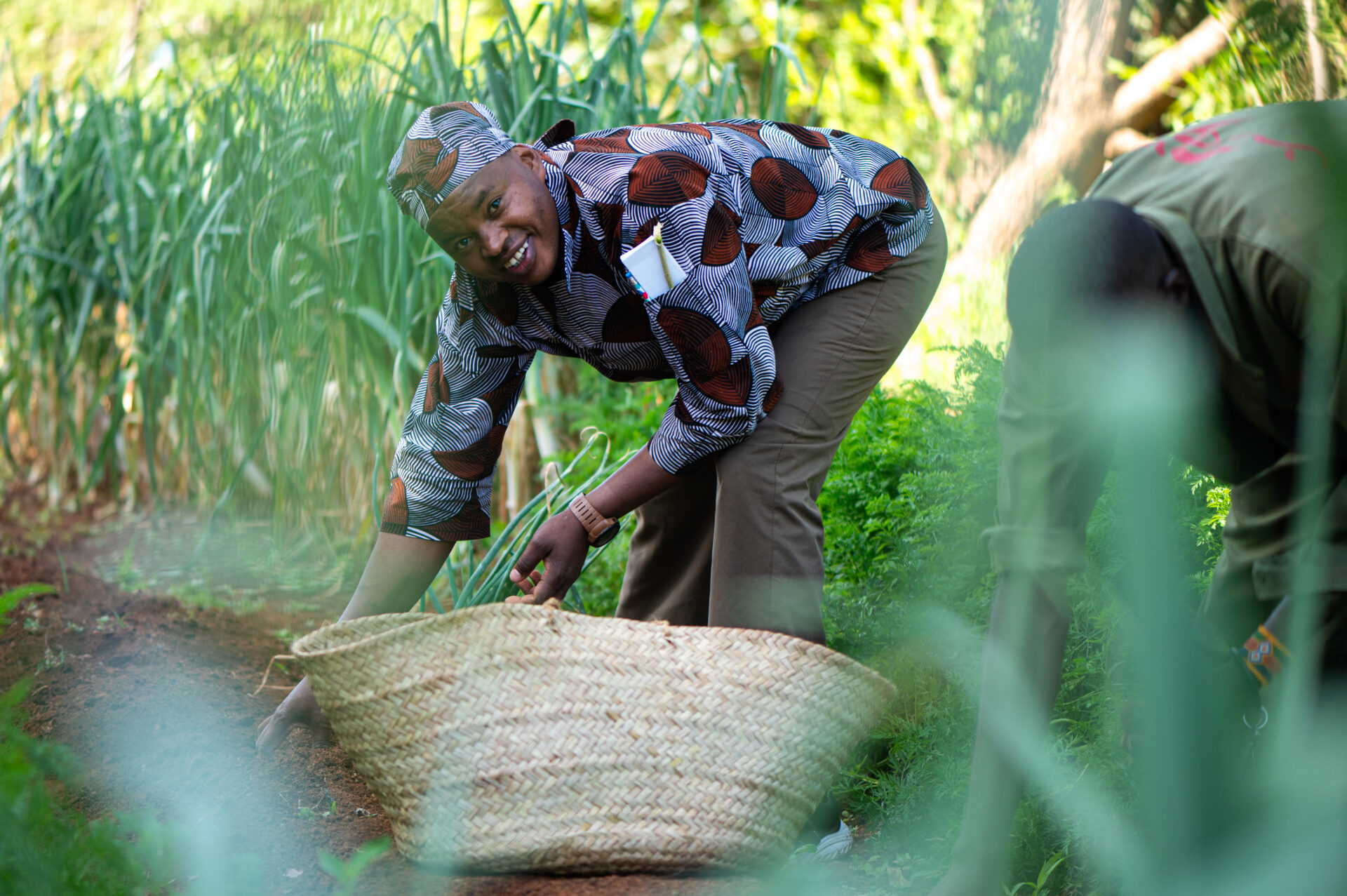
South Island Trust was established through a partnership between Ol Malo, Kenya Choppers and the Kenya Wildlife Service to support the protection of South Island National Park on Lake Turkana. This remote and ecologically significant area - home to Ol Malo’s seasonal Kampi Andrew Star Camp - is one of Kenya’s most fragile wilderness regions. The Trust works to safeguard the lake’s unique biodiversity and surrounding wildlife habitats while promoting responsible access and long-term conservation of the Jade Sea ecosystem.
Mara Siana Foundation
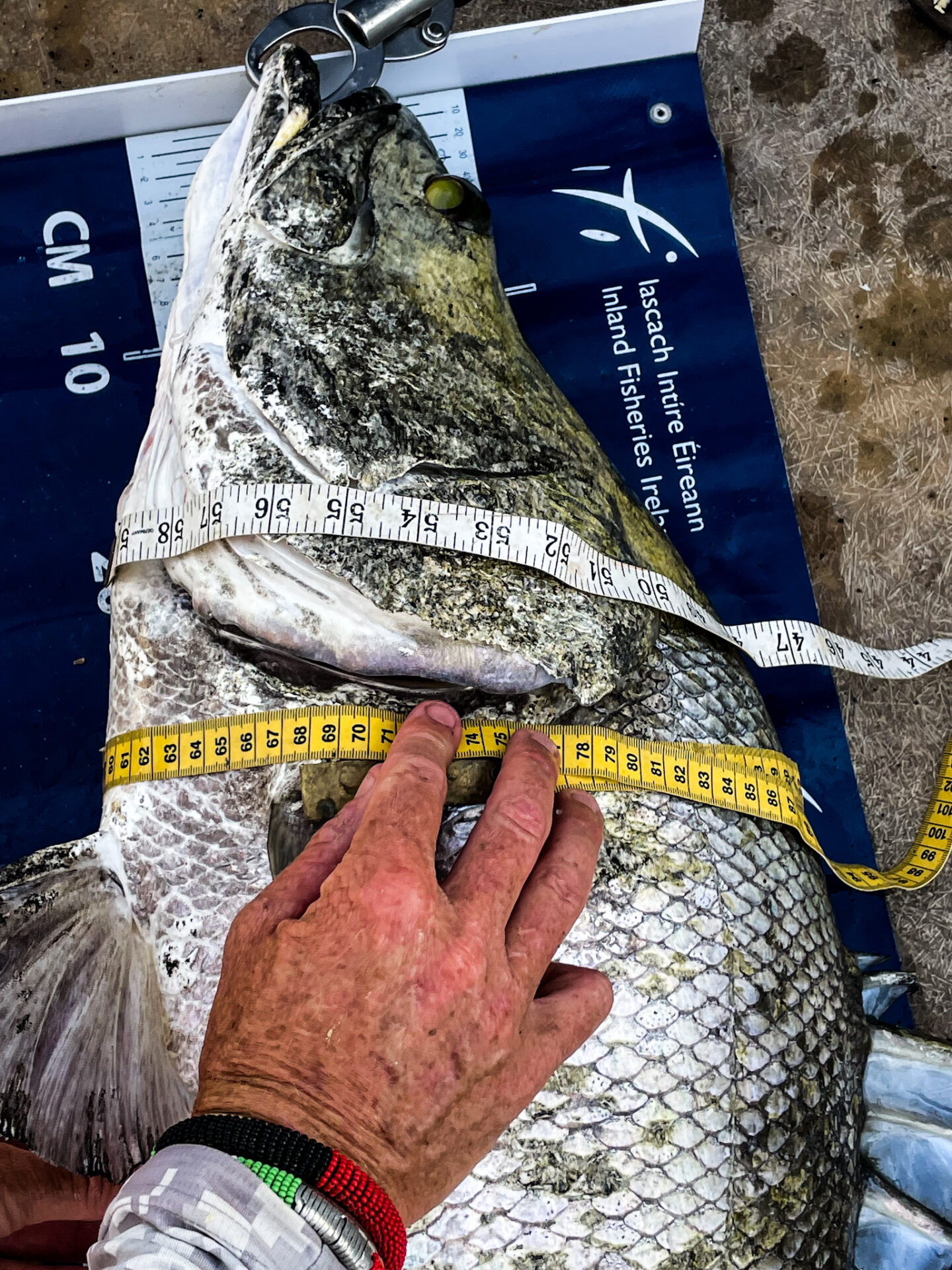
Mara Siana Foundation supports conservation and community development initiatives within the Mara Siana landscape. Through structured support for education, conservation awareness and local development priorities, the Foundation works to ensure that tourism and conservation generate tangible benefit for surrounding Maasai communities.
Enkilla
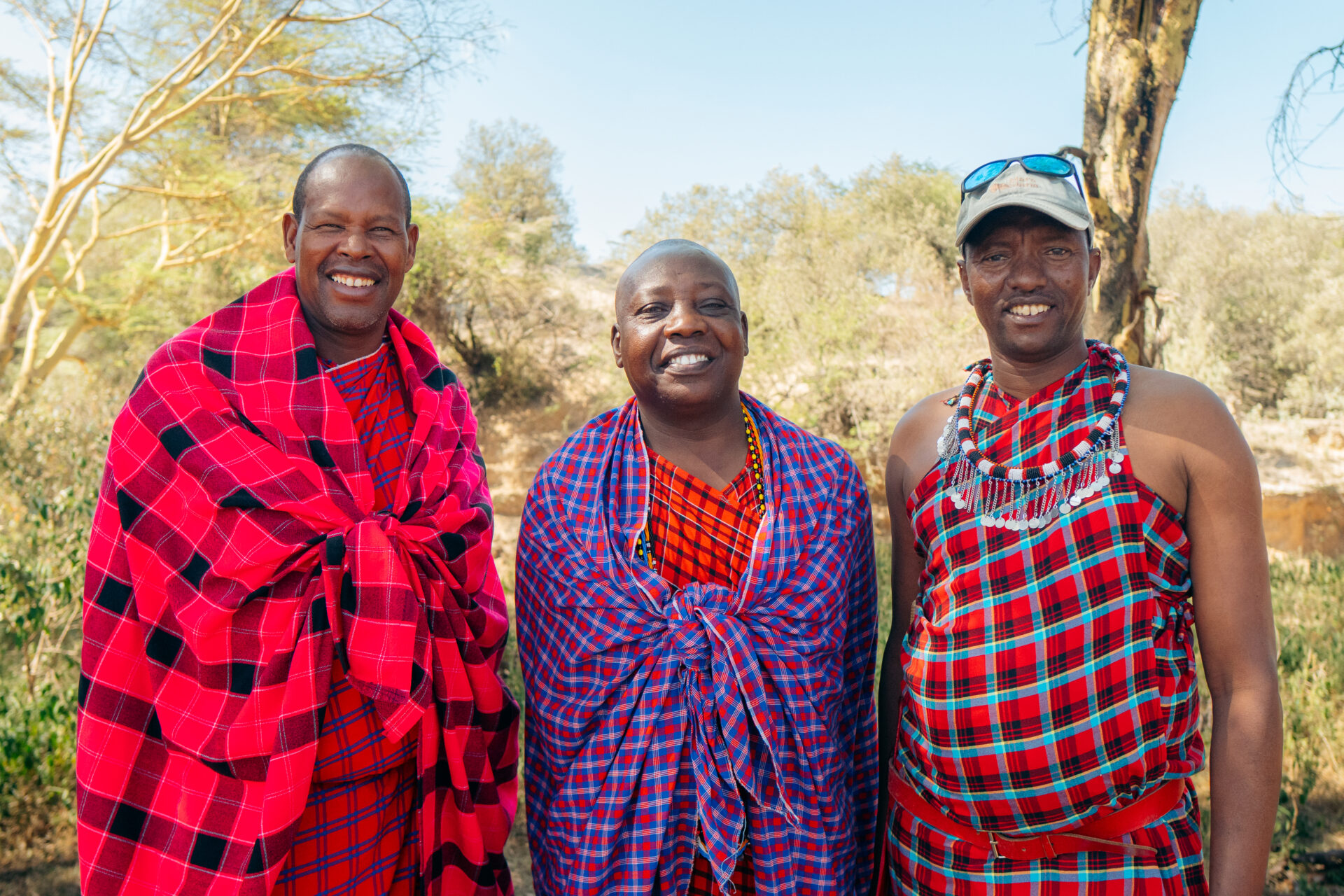
Enkilla is a locally founded fashion and uniform brand inspired by Maasai heritage and contemporary safari style. Created by Damaris, General Manager of Mara Siana, Enkilla supplies uniforms to a number of camps across the Mara while creating meaningful employment for local single mothers through community-based production. Deeply connected to Mara Siana’s family-led ethos, Enkilla reflects a commitment to enterprise that uplifts community, celebrates culture and keeps economic opportunity rooted within the Mara.
Ripoi Conservancy
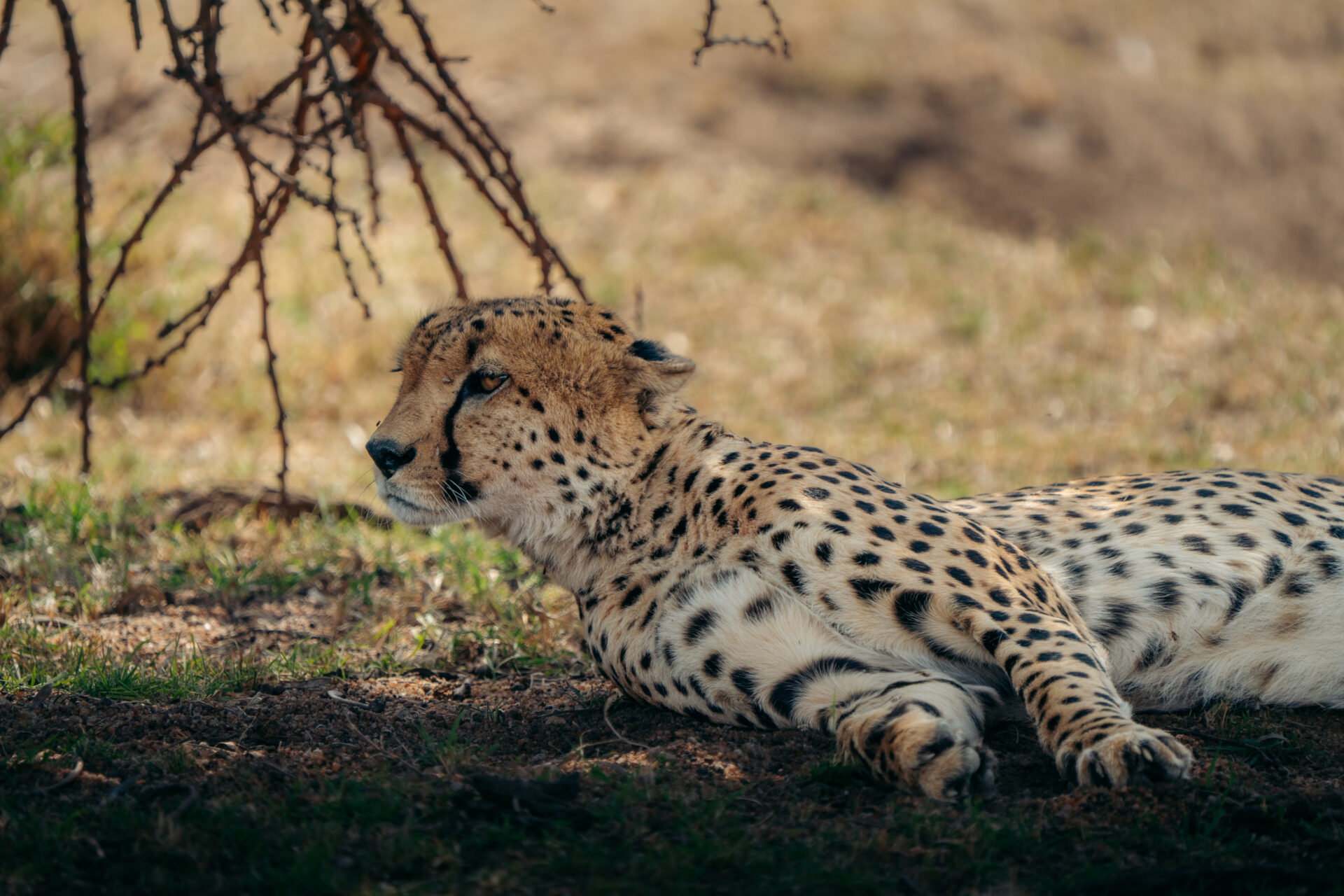
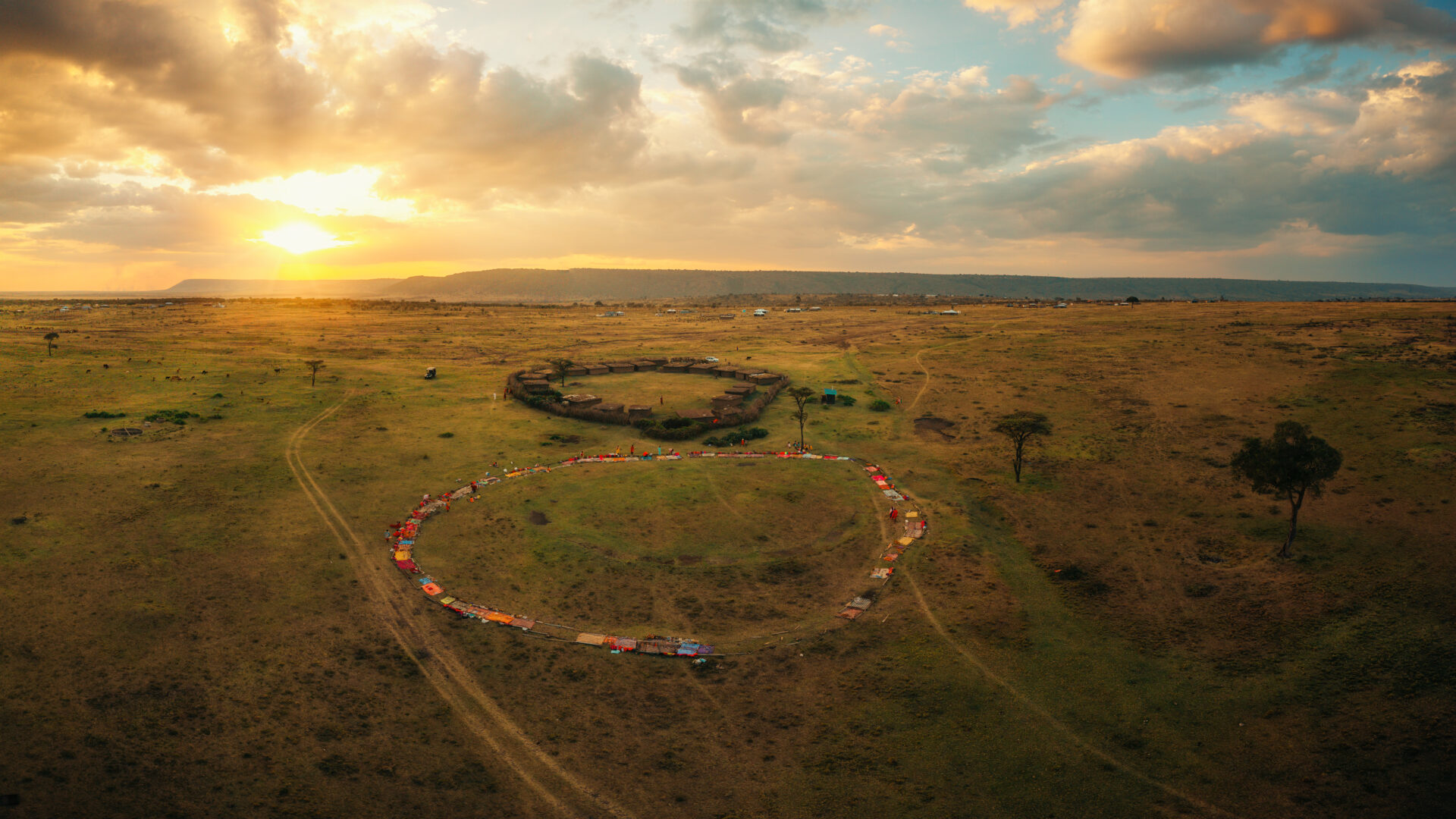
Ripoi Conservancy is a community-led conservation initiative established by Maasai landowners to protect 24,000 acres of wildlife habitat on the edge of the Maasai Mara. Developed through long-term lease agreements, the conservancy reduces grazing pressure, safeguards critical migration and predator corridors, and creates sustainable income for local families. Mara Siana plays a key role in supporting this model, helping to secure land for wildlife while strengthening community livelihoods within the greater Mara ecosystem.
Tangulia School Scholarships
Educational support initiatives help expand access to schooling for children within neighbouring Maasai communities. By contributing toward school fees and educational resources, these efforts strengthen long-term opportunity and ensure conservation benefits extend beyond land protection into community development.
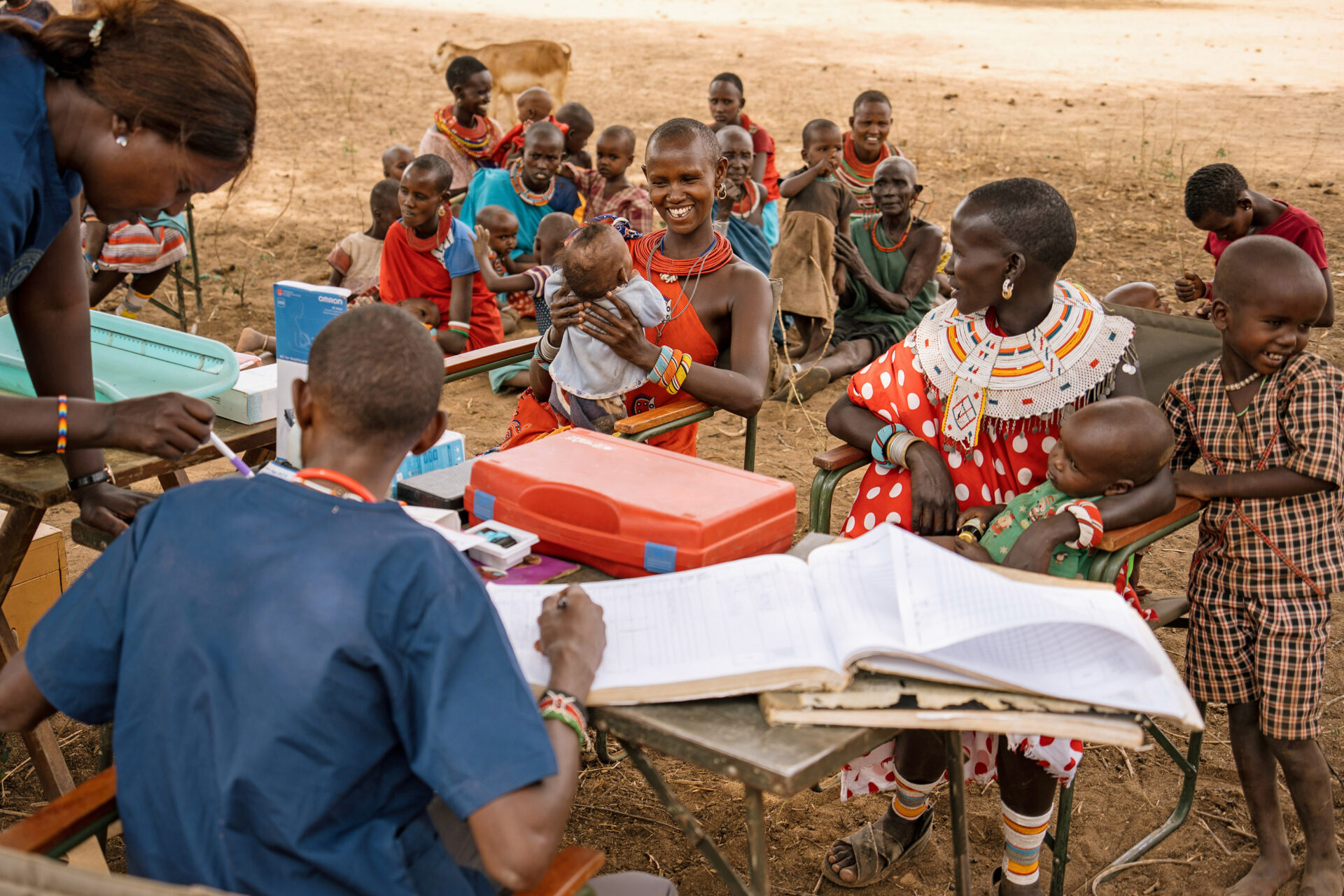
Nomadic Health Programme
The Nomadic Health Programme provides mobile healthcare services to remote communities across the Namunyak landscape. Through maternal care, child health services and preventative outreach, the programme improves access to essential healthcare in areas where services are otherwise limited.
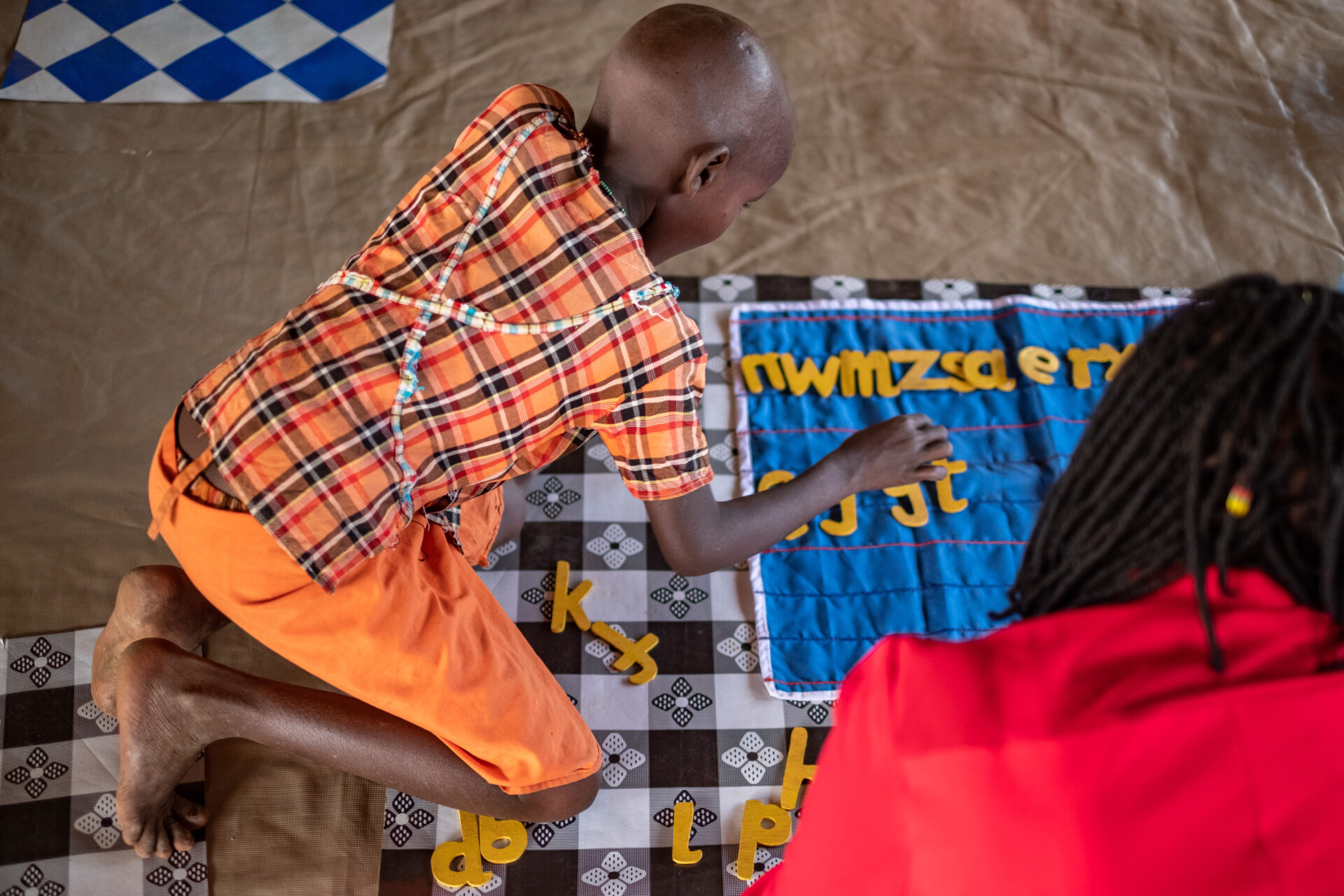
Nomadic Montessori Programme
The Nomadic Montessori Programme delivers culturally relevant early childhood education to remote and semi-nomadic communities. By providing accessible, community-based learning, the programme strengthens educational foundations while respecting traditional pastoralist lifestyles.
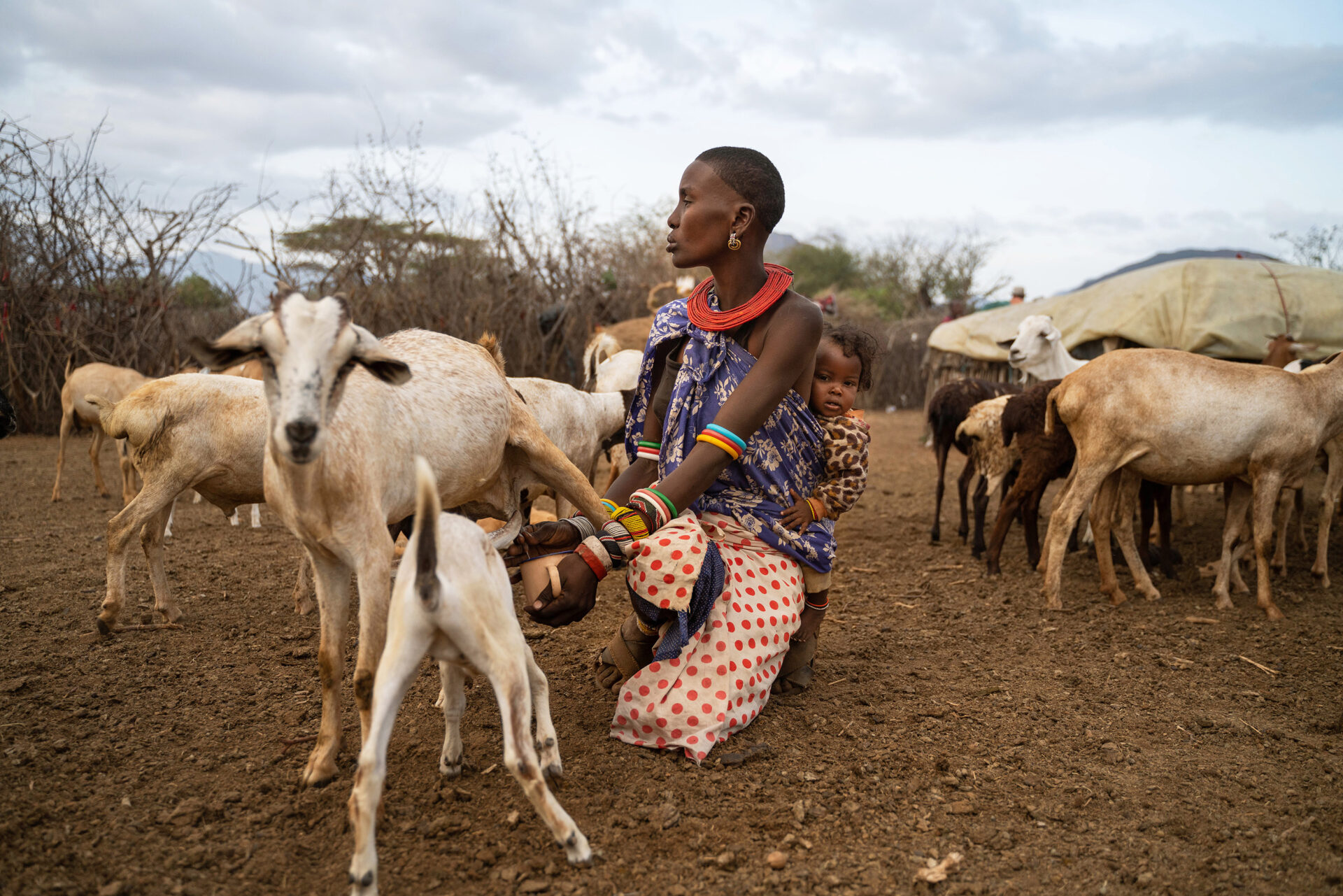
Milk to Market Programme (Milk Mammas)
Milk to Market creates sustainable income opportunities for Samburu women by purchasing excess camel and goat milk for use at Reteti Elephant Sanctuary. The programme strengthens household resilience, supports livestock management and channels conservation benefits directly into the community.
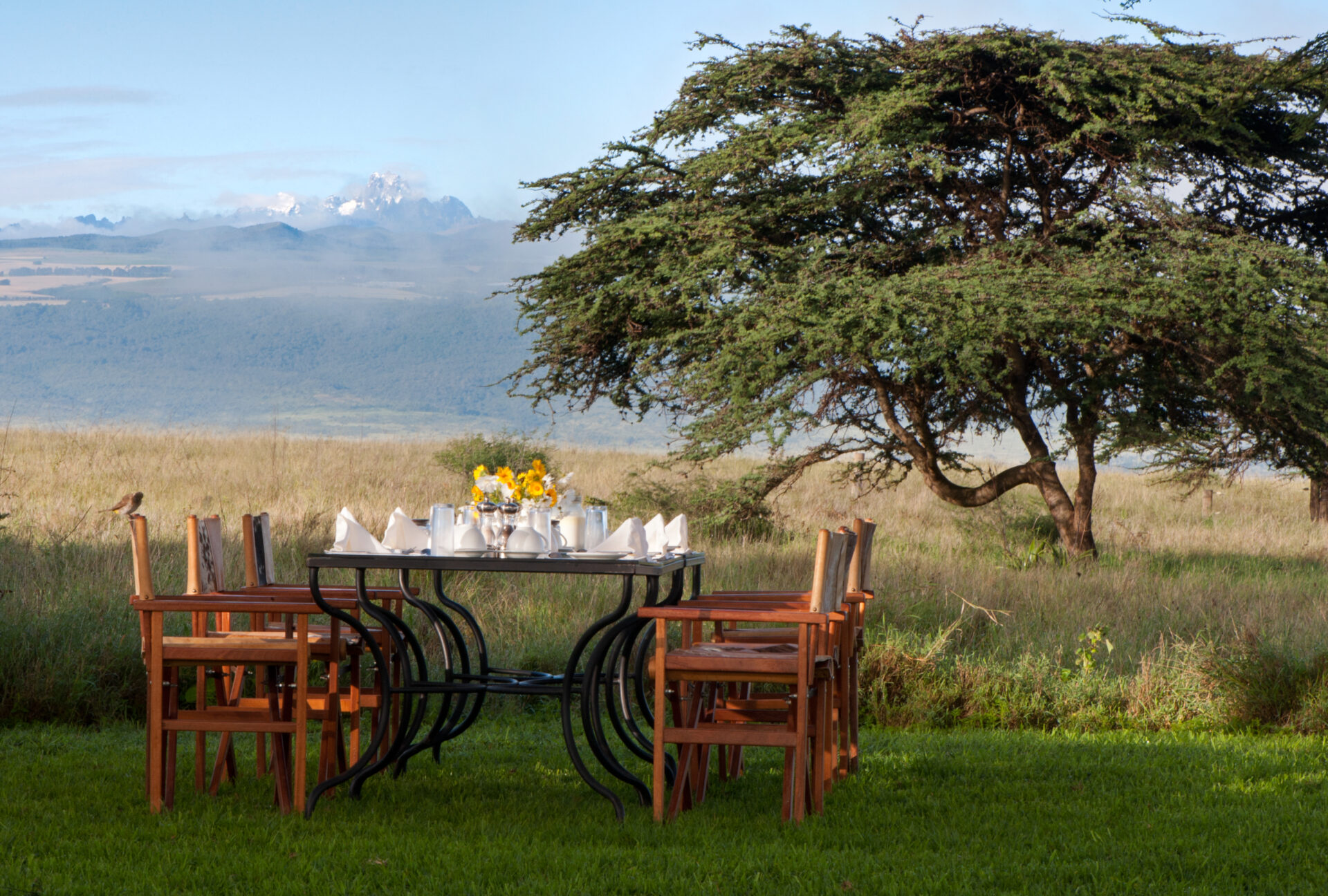
Regenerative Living at Lewa House
Lewa House operates with a deep commitment to self-sufficiency and responsible land stewardship. An on-site organic vegetable garden supplies fresh seasonal produce, alongside home-reared cows, free-range chickens and, at times, pork raised on the property. An eco-friendly grey water recycling system supports water conservation, and the majority of cleaning products are made in-house from natural ingredients. Guided by the owners’ long-standing commitment to living lightly on the land, Lewa House continually works to minimise its footprint while maintaining comfort and authenticity.
Lewa Wildlife Conservancy
Every guest at Lewa House contributes conservation fees to Lewa Wildlife Conservancy, directly supporting the protection of globally significant populations of black and white rhino, as well as endangered Grevy’s zebra, within a UNESCO World Heritage landscape. These funds underpin critical wildlife protection and anti-poaching operations, while also strengthening community development programmes. Through sustained investment in education, healthcare and sustainable livelihoods, Lewa’s conservation model balances biodiversity protection with meaningful long-term support for neighbouring communities.
Emakoko Community Water Project
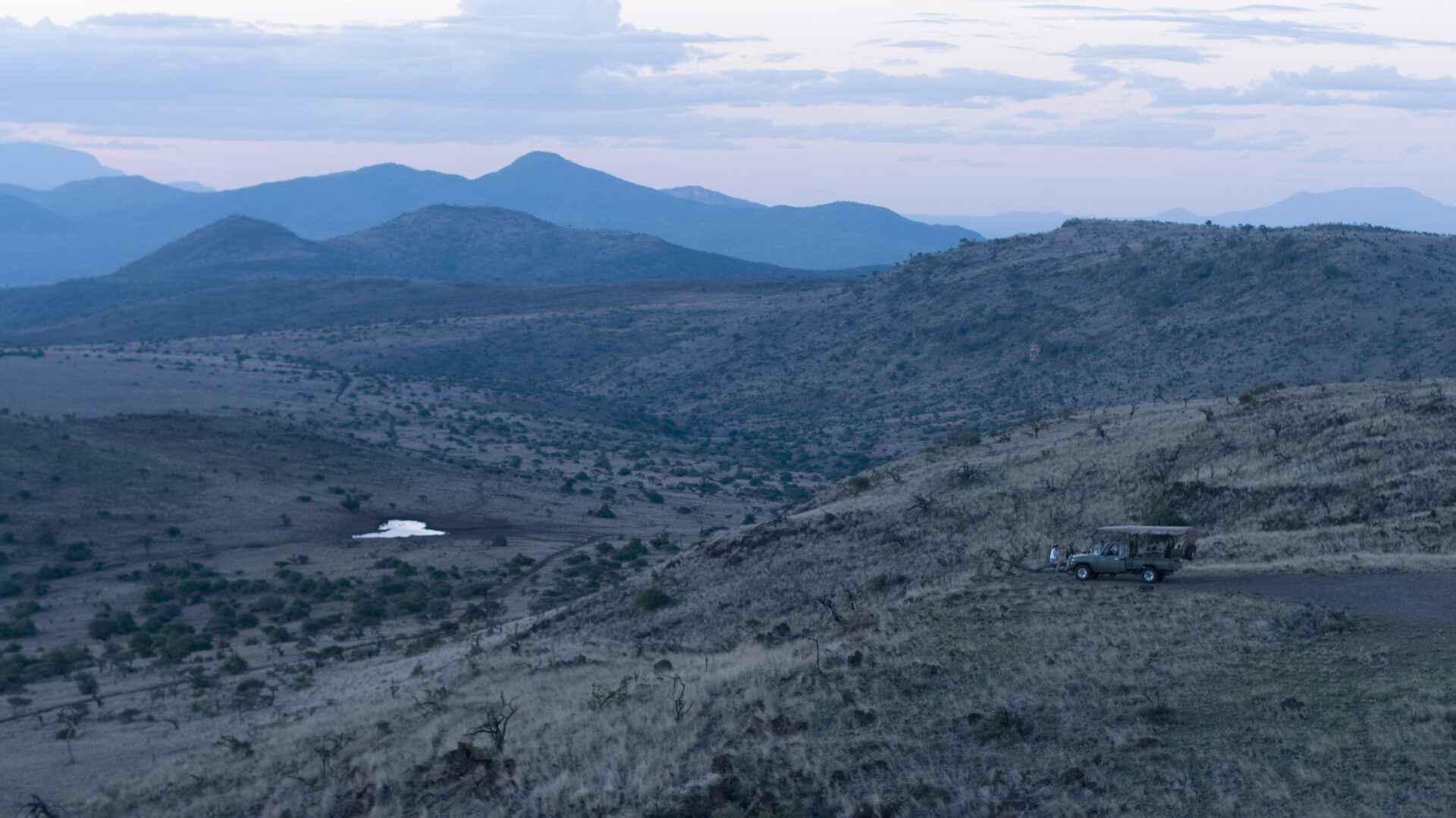
The Emakoko Community Water Project was established to improve access to safe and reliable water for neighbouring communities. Historically reliant on the river below the escarpment, often walking steep terrain to collect water, families faced increasing uncertainty as upstream urbanisation affected water quality. By investing in borehole infrastructure and responsible water management, the project now provides a dependable source of clean drinking water, strengthening community health, resilience and long-term wellbeing.
Netty’s Trees
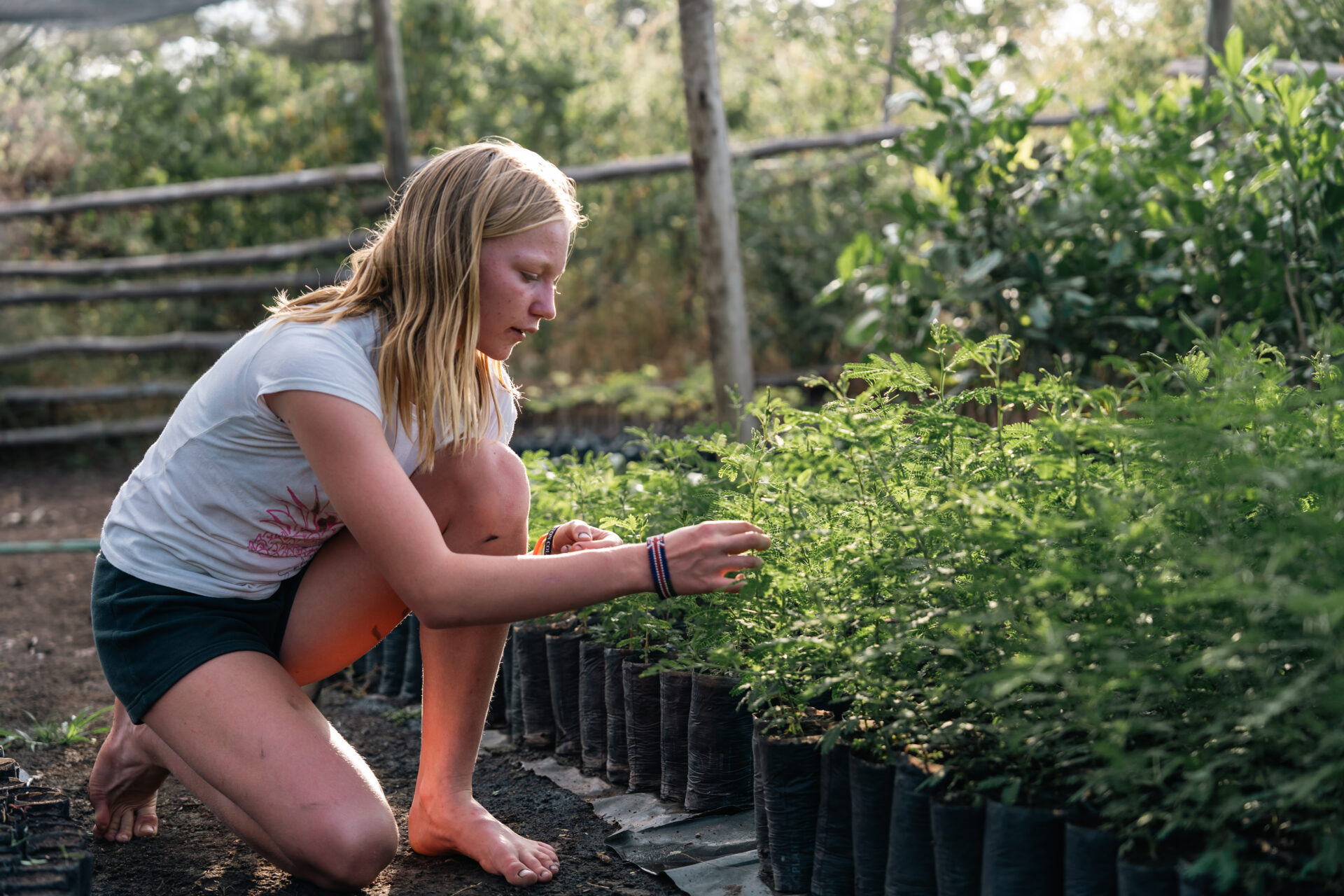
Netty’s Trees is a community-led tree planting initiative started by Emma and Anton's daughter and supported by The Emakoko, focused on restoring indigenous vegetation and strengthening environmental resilience around Nairobi National Park. By working with local schools and community groups, the project promotes reforestation, environmental education and long-term stewardship of natural resources, helping to regenerate degraded areas while fostering a culture of conservation among younger generations.
Taylor Ashe Antivenom Foundation
The Emakoko supports the Taylor Ashe Antivenom Foundation (TAFF) through both financial contributions and hands-on expertise. Donations have supported infrastructure development and specialist training, strengthening access to life-saving antivenom treatment in Kenya. Beyond monetary support, Anton and members of the Emakoko team are trained in the safe handling and relocation of venomous and non-venomous snakes, assisting local communities while protecting the reptiles themselves. This partnership reflects a practical approach to conservation - safeguarding both people and wildlife.

Emakoko of Nairobi National Park
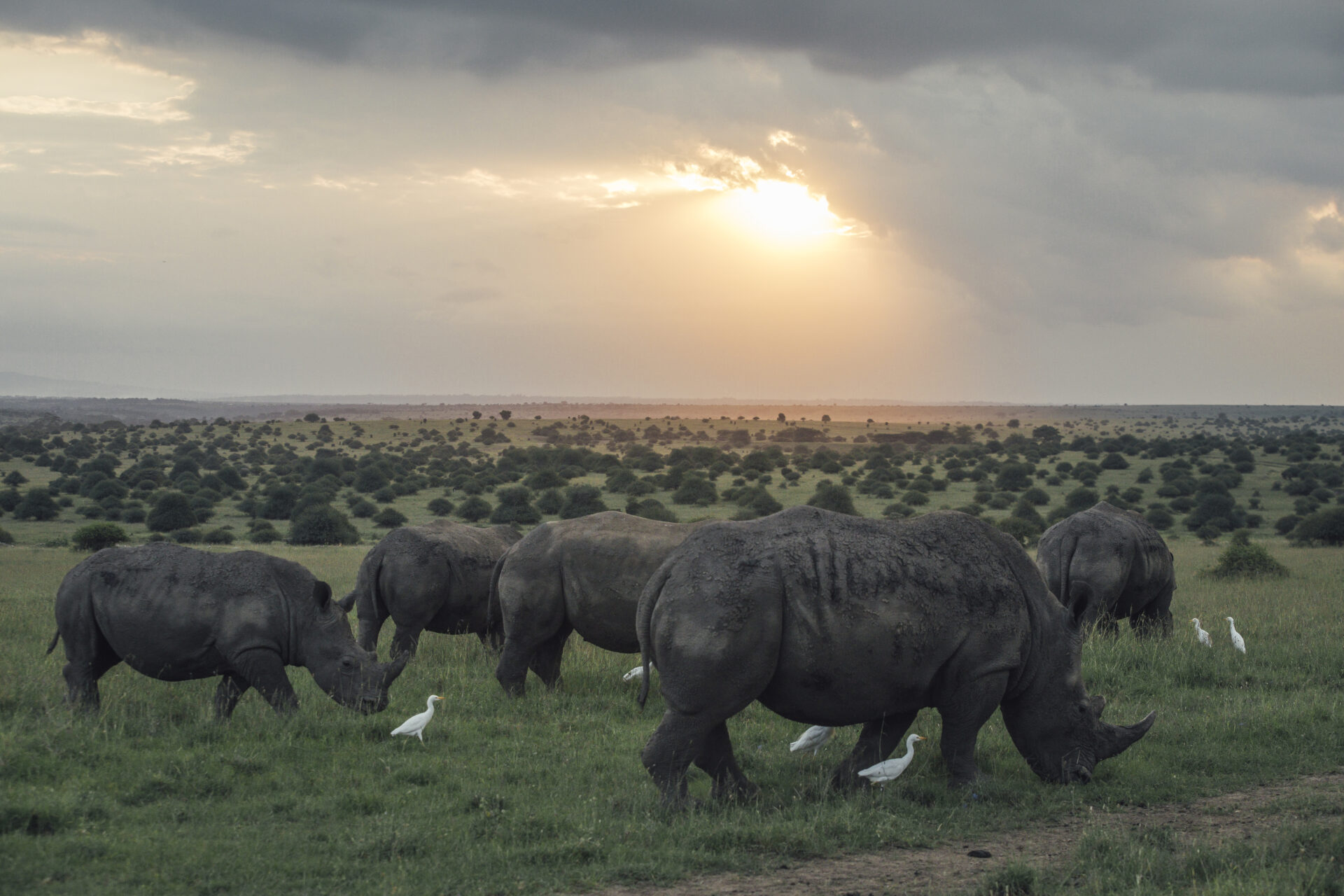
Since its inception, The Emakoko has contributed well over USD $1,000,000 in park fees directly to Nairobi National Park. These funds support rhino protection, translocations to other parts of the country, and the operations of Kenya Wildlife Service ranger units within the park. Beyond mandatory fees, The Emakoko has funded and constructed two rhino observation towers to strengthen monitoring efforts, donated equipment including a motorbike, computer and printer to the KWS community liaison branch, and provided additional operational support and equipment. During periods of severe drought, the lodge also raised over KES 1,000,000 to supply hay and water, assisting KWS in sustaining wildlife through critical conditions.
Lion Lights
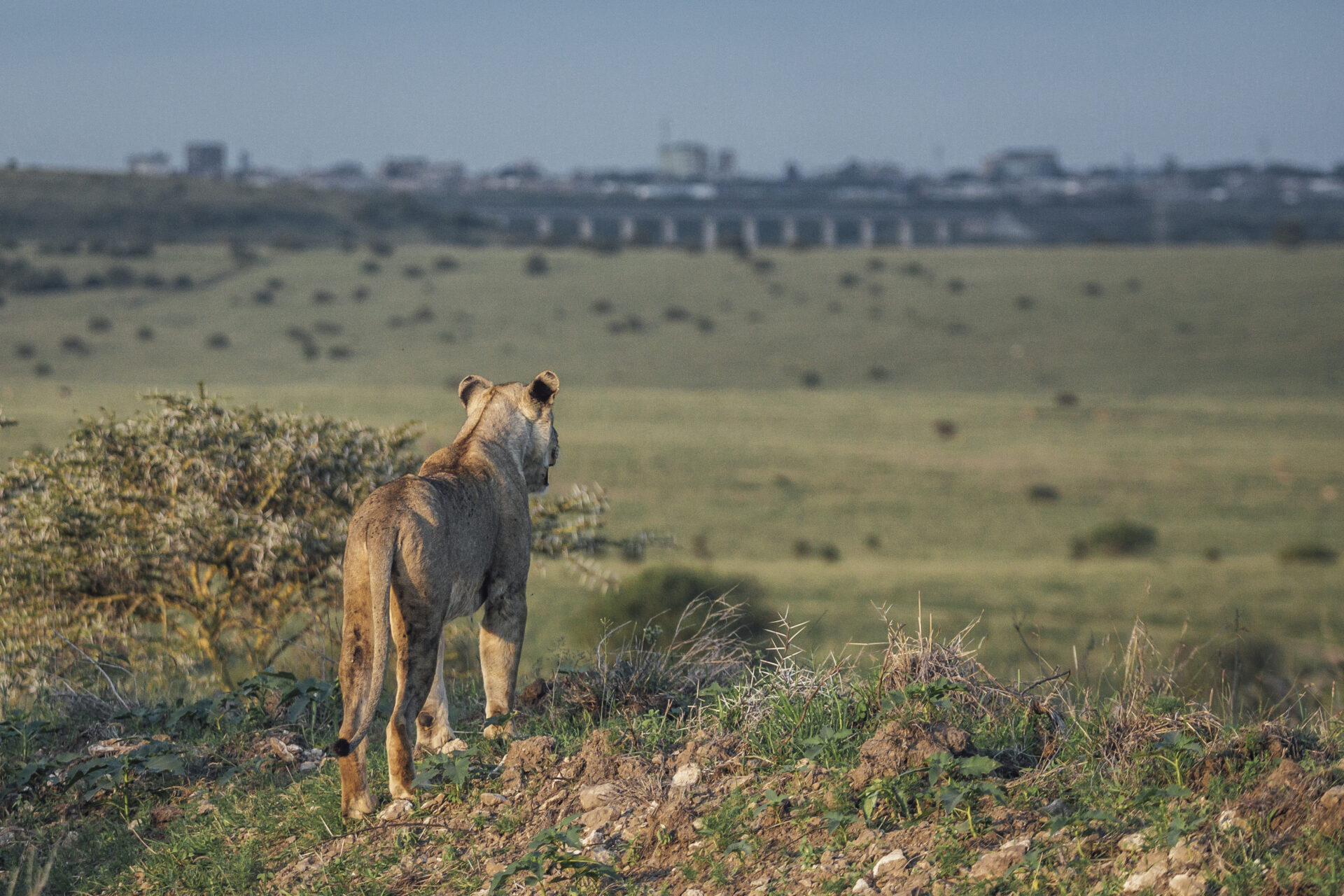
The Emakoko supports the Lion Lights initiative, which installs solar-powered flashing lights around community bomas to reduce human–wildlife conflict. By deterring lions and other predators from approaching livestock enclosures at night, the project helps protect both livelihoods and wildlife. Through sponsorship of installations in neighbouring communities, The Emakoko contributes to a practical, preventative solution that promotes coexistence around Nairobi National Park.
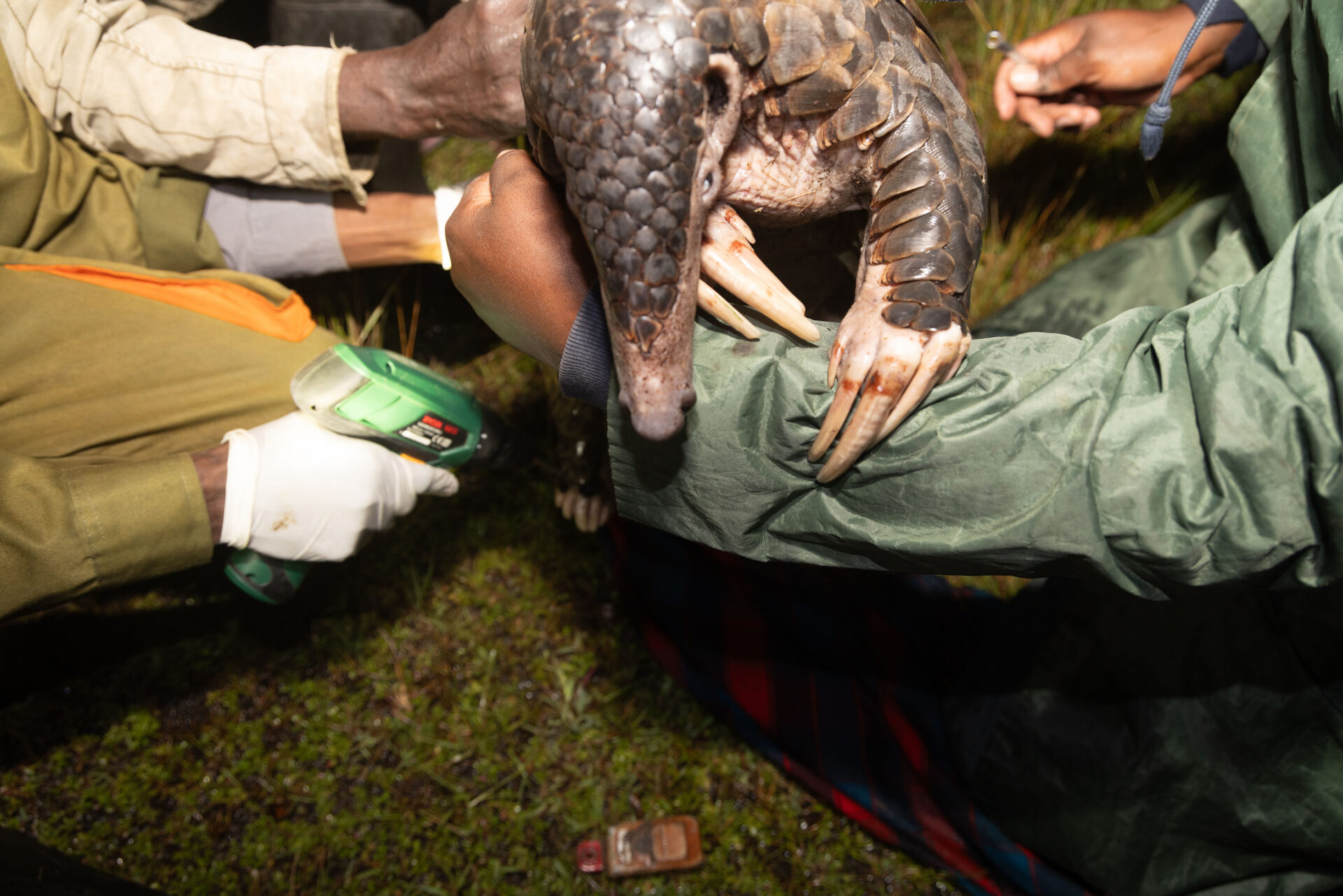
The Pangolin Project
The Pangolin Project was selected as a 2024/25 Bush and Beyond Conservation Levy beneficiary to support the protection of one of the world’s most trafficked and least understood mammals. Working within Kenya’s Nyekweri Forest in the greater Mara ecosystem, the project safeguards a critically threatened population of giant pangolin through research, habitat protection and anti-poaching initiatives. By directing funds here, the Levy supports the preservation of species that rarely receive mainstream attention yet are vital to ecosystem health.
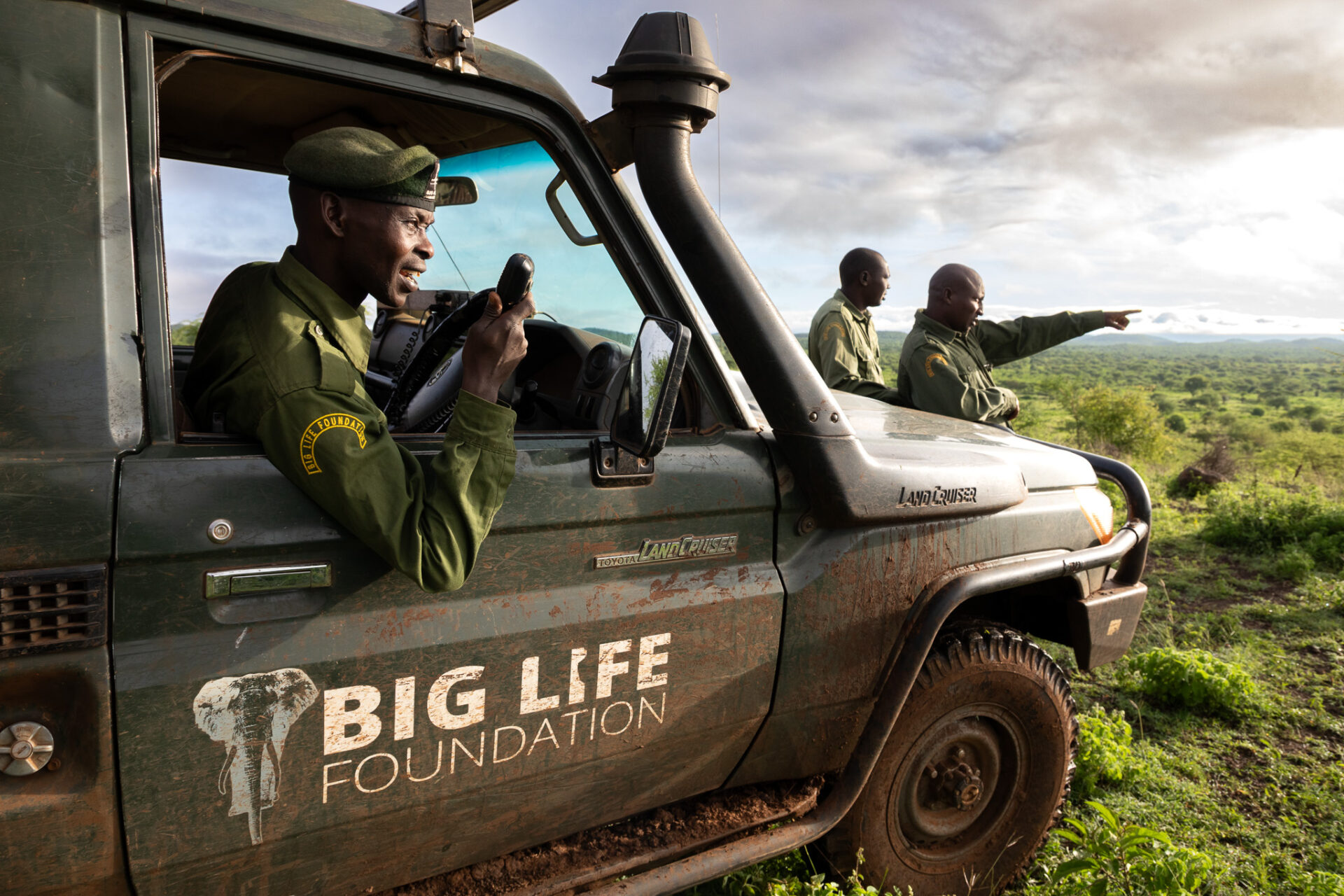
Big Life Foundation
Big Life Foundation was chosen as a Bush and Beyond Conservation Levy recipient in 2024/25 because of its pioneering model of community-based conservation across the Amboseli and greater Tsavo ecosystems. By employing and training local rangers and integrating community support with wildlife protection, Big Life demonstrates how conservation can deliver tangible benefits to the people living alongside wildlife. This approach reflects our belief that conservation endures when communities are empowered as partners and leaders.
Tsavo Trust
Tsavo Trust was selected as a 2024/25 beneficiary of the Bush and Beyond Conservation Levy for its large-scale, field-based protection of the Tsavo Conservation Area. With its focus on anti-poaching operations, aerial surveillance, habitat restoration and water provision, the Trust takes a holistic and action-oriented approach to biodiversity conservation. Supporting Tsavo Trust allows the Levy to contribute to safeguarding one of Africa’s most expansive and ecologically significant landscapes.
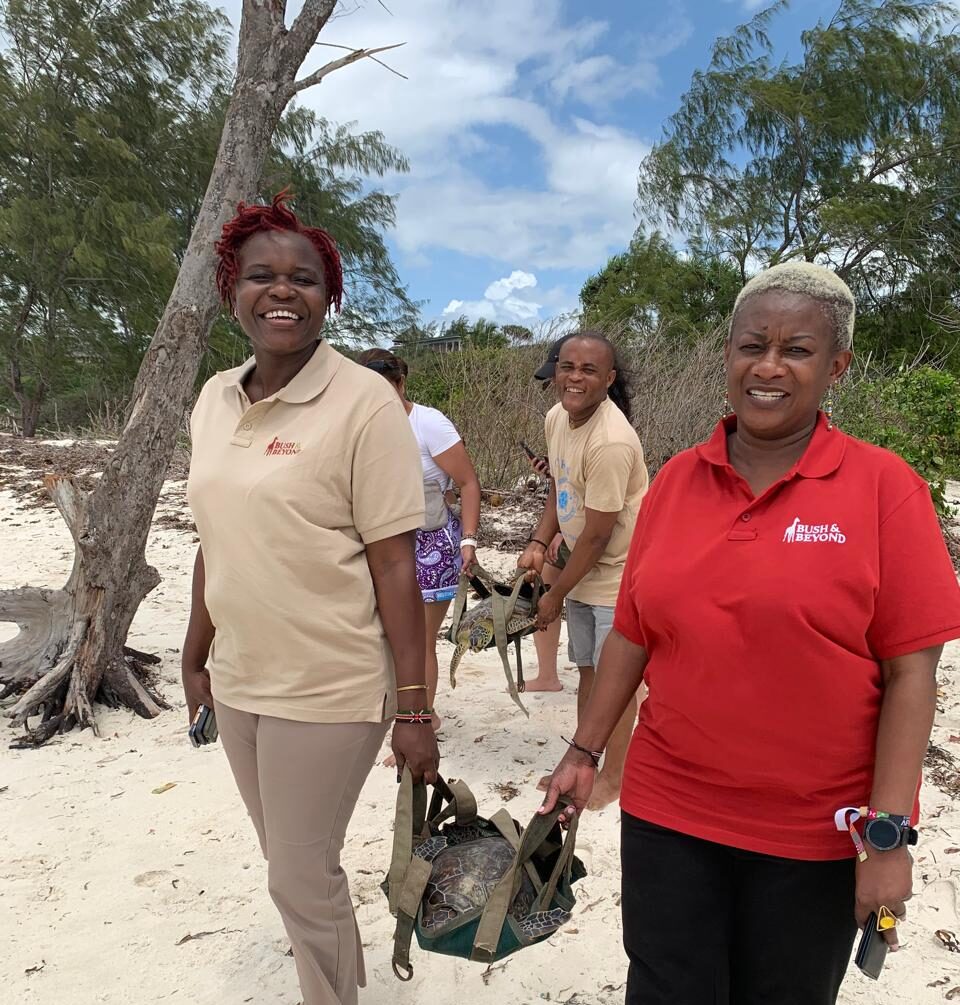
Local Ocean Conservation
In the 2024/25 financial year, Local Ocean Conservation was chosen as a Bush and Beyond Conservation Levy recipient to ensure our impact extends beyond terrestrial ecosystems to Kenya’s coastline. Through marine rescue, research and community engagement, the organisation protects endangered sea turtles and promotes sustainable ocean use. Their work recognises that Kenya’s marine habitats are an integral part of the country’s natural heritage and require equal attention and protection.
Reteti Elephant Sanctuary
Reteti Elephant Sanctuary is a flagship example of community-led conservation in Northern Kenya. Closely linked to, and supported by, Sarara and the Sarara Foundation, the sanctuary rehabilitates orphaned elephant calves for release back into the wild while creating meaningful local employment and conservation ownership within the Samburu community. In recognition of its broader impact beyond the Sarara ecosystem, Reteti was also selected as a recipient of the Bush and Beyond Conservation Levy in the 2024/25 financial year.
Raptor Rehabilitation Trust
During the 2024/25 financial year, the Raptor Rehabilitation Trust was chosen as a Bush and Beyond Conservation Levy beneficiary for its vital yet often under-recognised work with birds of prey and other birds requiring care. By rehabilitating injured raptors and releasing them back into the wild, the Trust safeguards key apex species that play an essential role in ecosystem balance. Their combination of hands-on veterinary care and public education aligns with our commitment to supporting practical, science-led conservation.
Amani Kibera
Amani Kibera was selected as a recipient of the Bush and Beyond Conservation Levy in the 2024/25 financial year in recognition of its grassroots, youth-led work in one of Nairobi’s most underserved communities. By empowering young people through sport, education and peacebuilding initiatives, the organisation strengthens resilience and social cohesion. Supporting Amani reflects our belief that long-term conservation must be underpinned by opportunity, stability and inclusive community development.
Great Being a Girl
Great Being A Girl was supported through the Bush and Beyond Conservation Levy in 2024/25 in support of dignity, education and equality. By tackling period poverty and improving menstrual health awareness, the organisation enables girls to remain in school and participate fully in community life. Investing in young women strengthens long-term social resilience — a foundation upon which sustainable conservation ultimately depends.
The Bush and Beyond Conservation Levy
Being a generational business, we remain deeply aware of our responsibility to the future, both for the generations who will follow us and for the natural landscapes that sustain every safari experience. In 2022, we introduced a per-person Conservation Levy on all itineraries ground handled by Bush and Beyond, with every dollar raised matched by Bush and Beyond and directed to organizations doing vital, often unsung, work across Kenya. These are not always the headline-grabbing projects, but they are the ones quietly safeguarding ecosystems, wildlife, and communities where it matters most.
The Samburu Trust
Samburu Trust works to improve access to safe water, sanitation, healthcare and education within remote Samburu communities. Through sustainable infrastructure and community-led development initiatives, the Trust strengthens resilience while supporting long-term wellbeing across Northern Kenya.
The Mara Elephant Project
Mara Elephant Project works to ensure a stable and healthy elephant population across the Greater Mara ecosystem. Through monitoring, research and habitat protection, the organisation safeguards vital migration corridors while reducing human-wildlife conflict. By supporting coexistence between communities and wildlife, Mara Elephant Project strengthens long-term conservation outcomes across the Mara landscape.
The Sarara Foundation
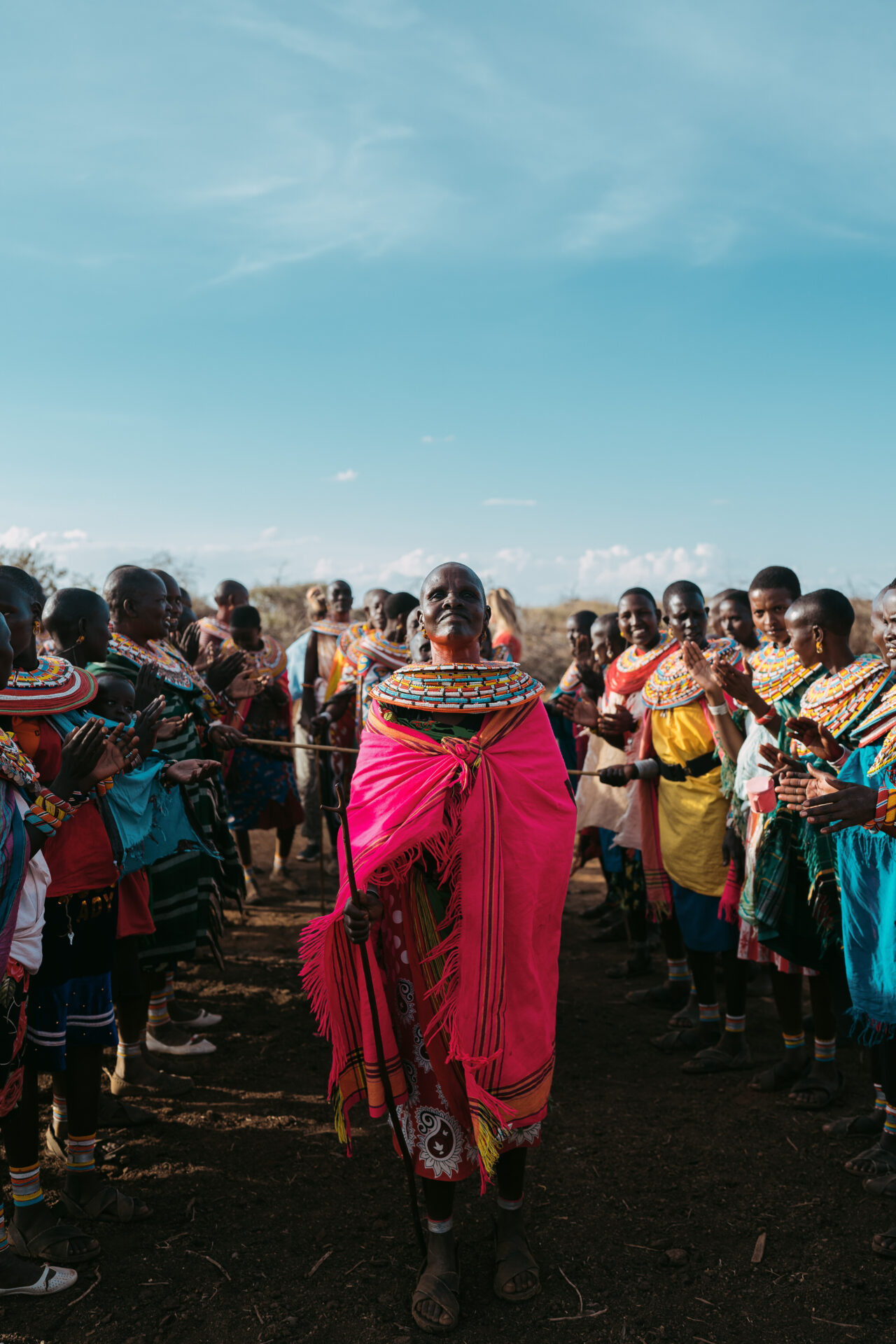
Sarara Foundation supports community-led conservation across the Namunyak Conservancy in Northern Kenya. By integrating education, healthcare, women’s enterprise and wildlife protection, the Foundation empowers Indigenous Samburu communities to safeguard their land, culture and natural heritage for future generations.